
Planning Turkey sounds exciting right up until you start mapping flights between Istanbul and Cappadocia, figuring out how to reach Ephesus efficiently, and wondering whether Pamukkale fits better before or after the coast. That is exactly where small group tours Turkey travelers choose make a real difference. They turn a complicated, multi-stop trip into a well-paced journey with the major details already handled.
For many US travelers, the appeal is simple. You want to see the headline destinations, understand what you are looking at, and avoid losing time to connections, ticket lines, and route planning. At the same time, you may not want the price tag of a fully private trip or the rigid feel of a large bus tour. A well-designed small group itinerary sits right in the middle.
Why small group tours Turkey travelers prefer work so well
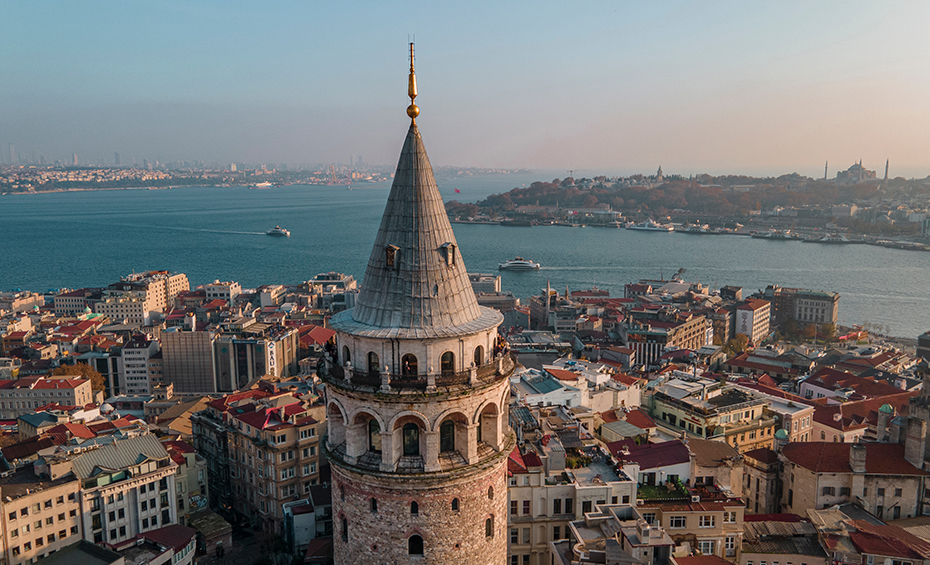
Turkey rewards thoughtful planning. The country is large, its top destinations are spread out, and the experience changes dramatically from one region to the next. Istanbul offers imperial mosques, palaces, bazaars, and layered neighborhoods. Cappadocia brings cave dwellings, valleys, and balloon-filled dawn skies. Ephesus and nearby sites connect visitors to the classical world and early Christianity. Pamukkale adds natural terraces and ancient Hierapolis.
Trying to combine these places independently can be done, but it often becomes a logistics project. Small group tours reduce that friction. Airport transfers, domestic flights, hotel coordination, and guided sightseeing are structured in a way that helps you cover more without rushing blindly from stop to stop.
The group size matters too. In a smaller setting, the pace is usually easier, guide interaction is stronger, and pickups, check-ins, and site visits tend to move more smoothly. You still get the social energy of shared travel, but without the feeling that you are one of fifty people following a flag through a crowded landmark.
What a strong Turkey itinerary should include
Not every itinerary is built the same, and this is where travelers should look beyond price alone. A lower rate can be attractive, but if it leaves out flights, transfers, or key entrance arrangements, the final cost and effort may look very different.
Istanbul as the natural starting point
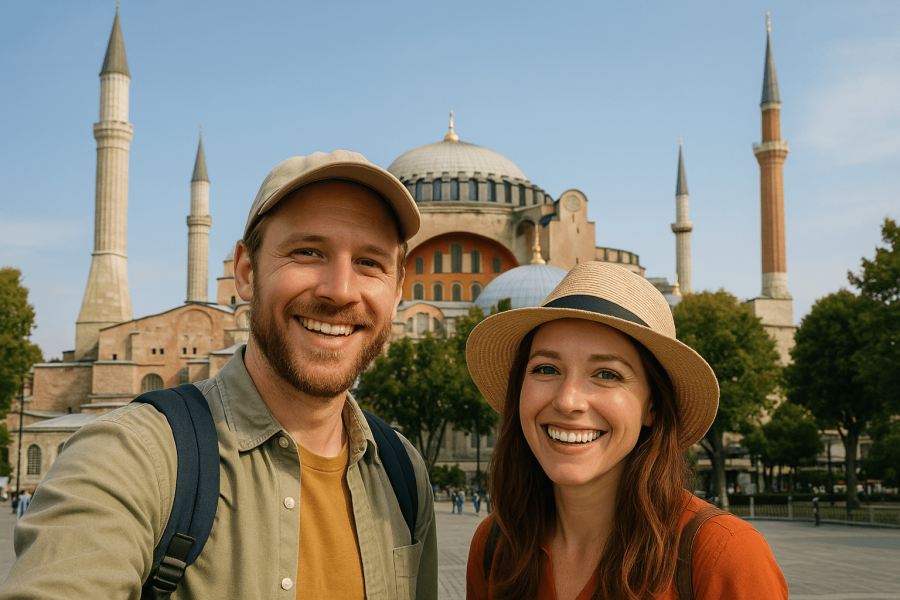
Most multi-day itineraries begin in Istanbul, and for good reason. It is the arrival gateway for international travelers and one of the world’s great historic cities. A strong program usually includes the Old City highlights such as Hagia Sophia, the Blue Mosque, Topkapi Palace, and the Hippodrome, often paired with the Grand Bazaar or Spice Bazaar depending on the schedule.
A quality guided visit matters here. Istanbul is not just a checklist city. The value comes from understanding how Byzantine, Ottoman, Islamic, and modern Turkish history intersect in the same spaces.
Cappadocia for landscape and atmosphere
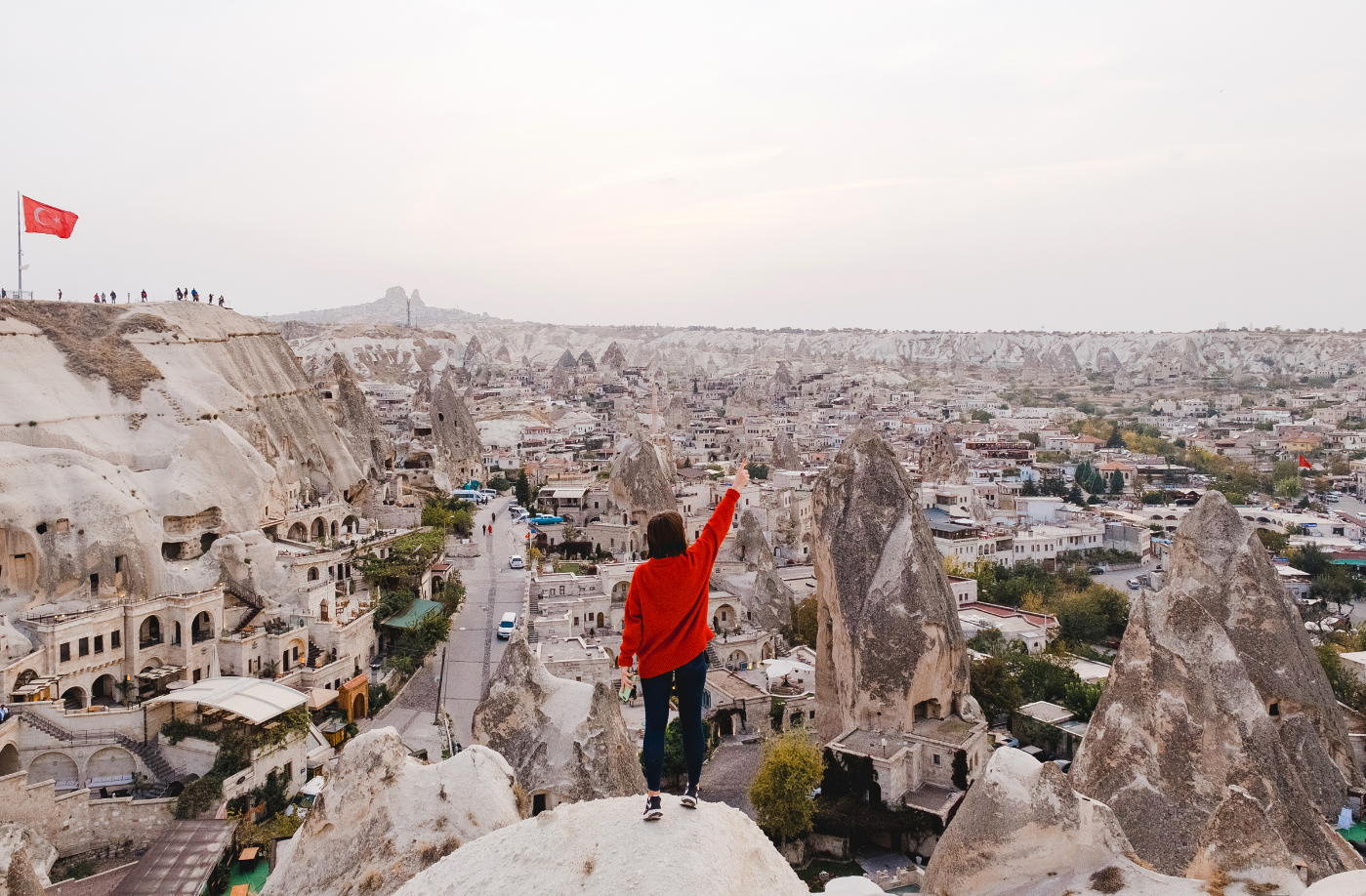
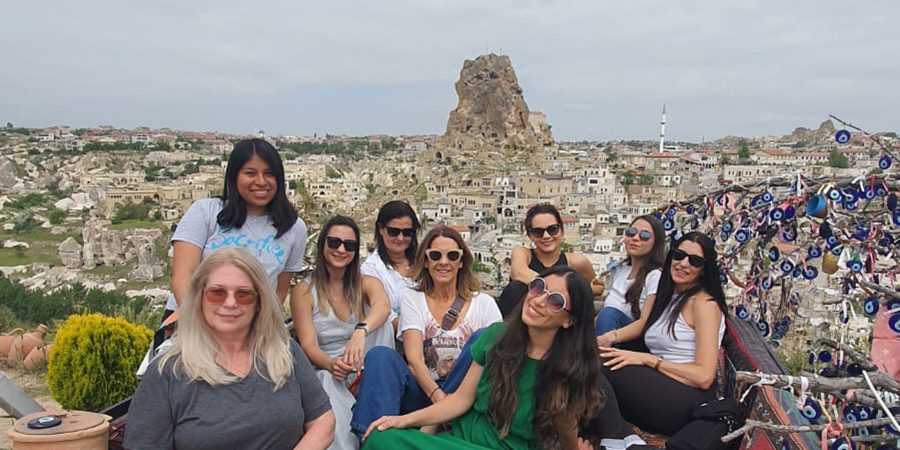
Cappadocia is one of the biggest reasons travelers choose a multi-stop tour. The region feels completely different from Istanbul, and the travel logistics can be harder to organize efficiently on your own. Most small group tours include a domestic flight, airport transfers, and a full-day or two-day sightseeing plan covering places such as Goreme Open-Air Museum, Uchisar, Pasabag, Devrent Valley, and an underground city.
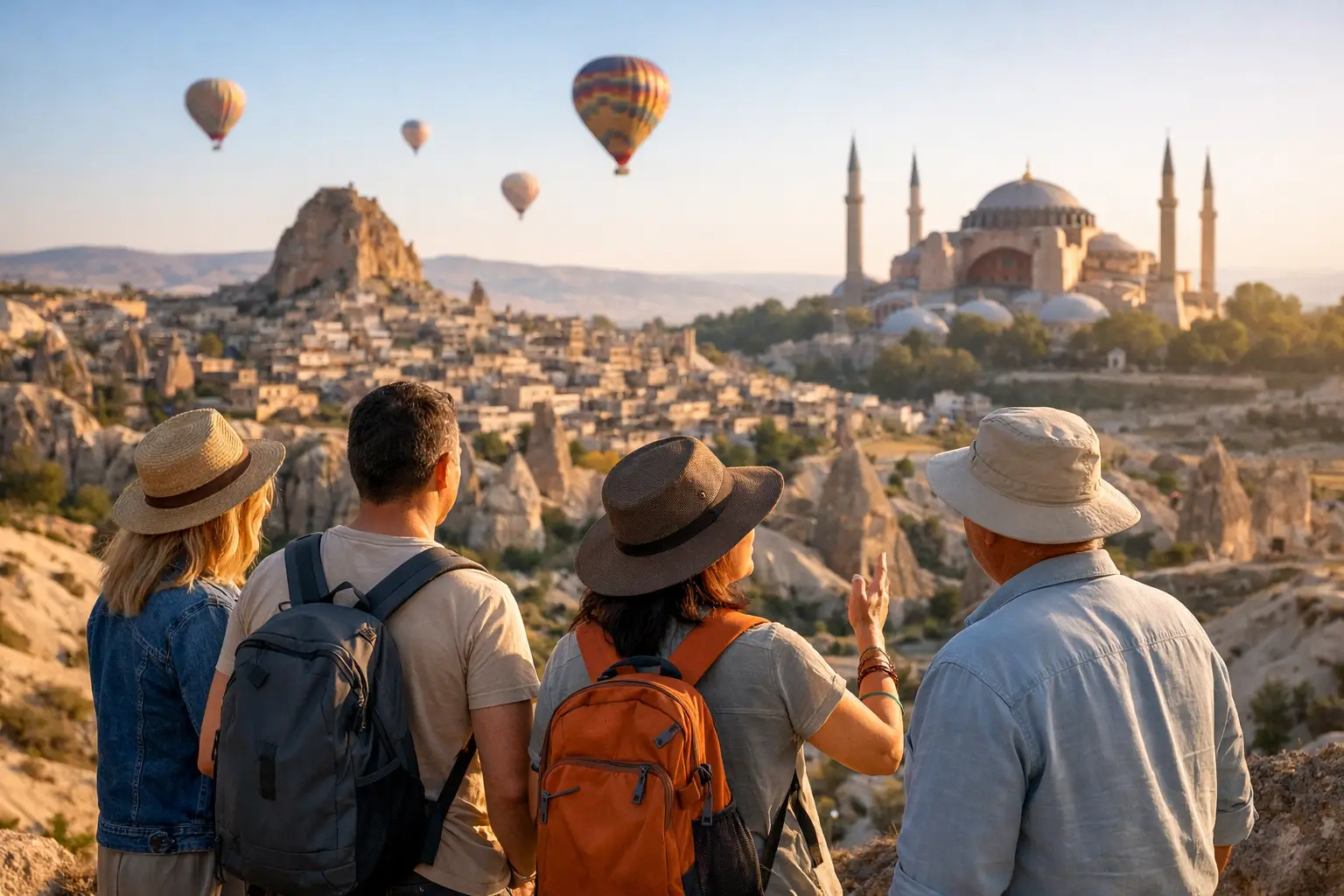
This is also where itinerary design matters. Some tours leave enough room for an optional hot air balloon ride or a relaxed evening in a cave hotel area. Others move too quickly. If Cappadocia is a priority, look for enough time to enjoy the setting rather than simply pass through it.
Ephesus, Pamukkale, and the west
For travelers interested in archaeology, biblical heritage, or the Aegean region, western Turkey is essential. Ephesus is one of the most impressive ancient cities in the Mediterranean, and a guided visit helps bring its scale and meaning into focus. You are not just seeing stone streets and theater ruins. You are seeing a major Roman city, a place tied to early Christianity, and a destination where context transforms the experience.
Pamukkale often pairs well with Ephesus, especially on tours that cover Turkey’s classic route in under a week. The white travertine terraces are visually striking, but the wider site includes the ruins of Hierapolis, which adds historical depth to the stop.
Who benefits most from small group tours in Turkey
This format suits several kinds of travelers, but not always for the same reason.
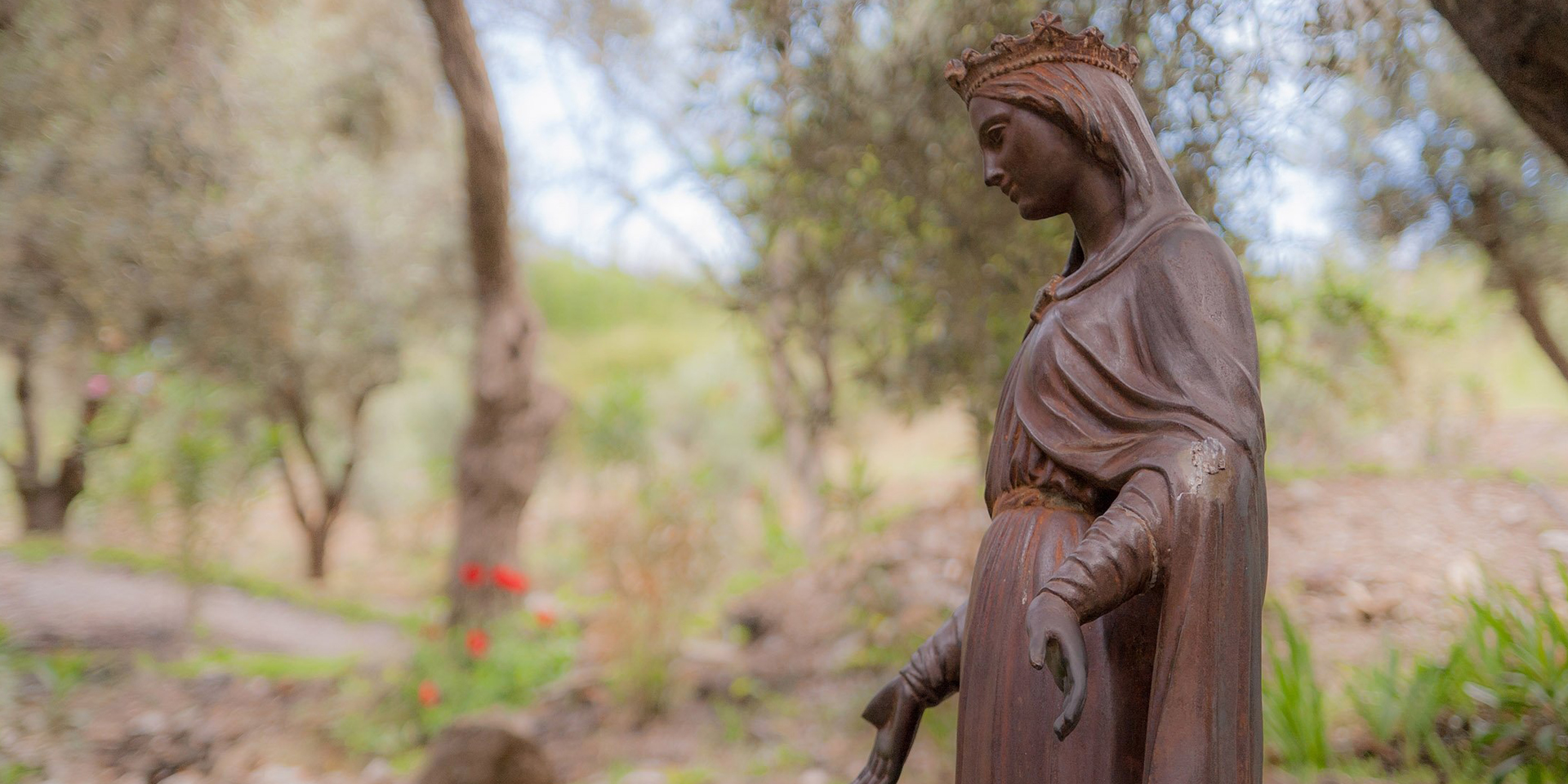
Couples often choose small group departures because they want a polished trip without carrying the full cost of private guiding every day. Families may prefer them when they want structure, safety, and destination expertise, especially across multiple cities. Faith-based travelers appreciate itineraries that connect places like Ephesus, the House of Virgin Mary, or the Seven Churches region with clear historical guidance. Cruise passengers and short-stay visitors usually look for efficient touring, but for a multi-day land program, the same principle applies: less guesswork, better time use.
That said, it depends on travel style. If you want every hour customized, private touring may be a better fit. If your priority is budget above all else, fully independent travel or larger coach programs may cost less. Small group tours are best for travelers who want a balance of comfort, guidance, and value.
What to check before booking small group tours Turkey packages
A polished itinerary on paper does not always tell the full story. Before choosing a tour, pay attention to what is actually included and how the trip flows.
Domestic flights and transfers
This is one of the biggest practical advantages in Turkey. Distances are real, and while overland travel can work for some routes, domestic flights save time and energy. When these are built into the package, the trip usually feels much more manageable.
Hotel locations
A centrally located hotel in Istanbul or a well-chosen stay in Cappadocia changes the rhythm of the trip. You may have more flexibility for dinner, a walk after touring, or early departures. A cheap room far from the action can make the whole tour feel less convenient.
Guide quality and site coverage
The guide is not a side detail. In a destination like Turkey, where history spans empires, religions, and civilizations, a knowledgeable guide adds major value. Good guiding keeps the day organized, but it also helps travelers understand why each site matters.
Group size and pace
Small group can mean different things depending on the operator. A truly small group feels more personal and easier to manage. It usually means faster movement between sites and more time for questions. If your travel style leans relaxed rather than fast-paced, this is worth clarifying.
The trade-off: flexibility versus structure
The strongest tours balance planning with breathing room. You want enough structure that the trip runs efficiently, but enough flexibility that it still feels like travel and not a moving timetable.
This is where experienced destination operators stand out. They know which days need tight coordination and which places benefit from free time. Istanbul, for example, often works well with a guided core plus time to explore on your own. Cappadocia may need a fixed touring framework because of distances and site clusters. Ephesus is best experienced with a guide, while some evenings are better left open.
Smart Turkey Tours builds much of its appeal around that balance – organized routes, destination expertise, and flexible planning support for travelers who want the trip to feel smooth without becoming generic.
Choosing the right duration for your trip
Duration shapes the whole experience. If you only have four or five days, focus on two regions rather than trying to do everything. Istanbul and Cappadocia make a strong short combination. With six to eight days, adding Ephesus or Pamukkale becomes more realistic. A longer trip opens the door to Gallipoli, Troy, Antalya, Bodrum, or even a broader Turkey-Greece combination.
The key is not packing the most destinations into the fewest days. The key is choosing an itinerary that matches your priorities. If this is your first trip, classic highlights usually make the most sense. If you have a faith-based interest, biblical or Seven Churches-focused routes may be more rewarding. If you are combining land touring with a cruise or regional extension, efficiency becomes even more important.
Why this style of travel keeps gaining attention
Turkey is a destination with enormous range, but that range creates planning pressure. Travelers want the Blue Mosque and Bosphorus, sunrise in Cappadocia, the Library of Celsus at Ephesus, and maybe the terraces of Pamukkale too. Small group tours answer that demand with a format that is easier to book, easier to manage, and often more comfortable than going fully independent.
For US travelers especially, that combination matters. You are investing in a long-haul trip and likely trying to make the most of limited vacation time. A well-run small group program helps protect that time. It removes friction, adds expert interpretation, and creates a more confident way to move through a destination where the best experiences are often spread across several regions.
If you are comparing options, look past the headline rate and ask a better question: which itinerary will let you spend less time managing travel and more time actually experiencing Turkey? That is usually where the right trip becomes clear.