
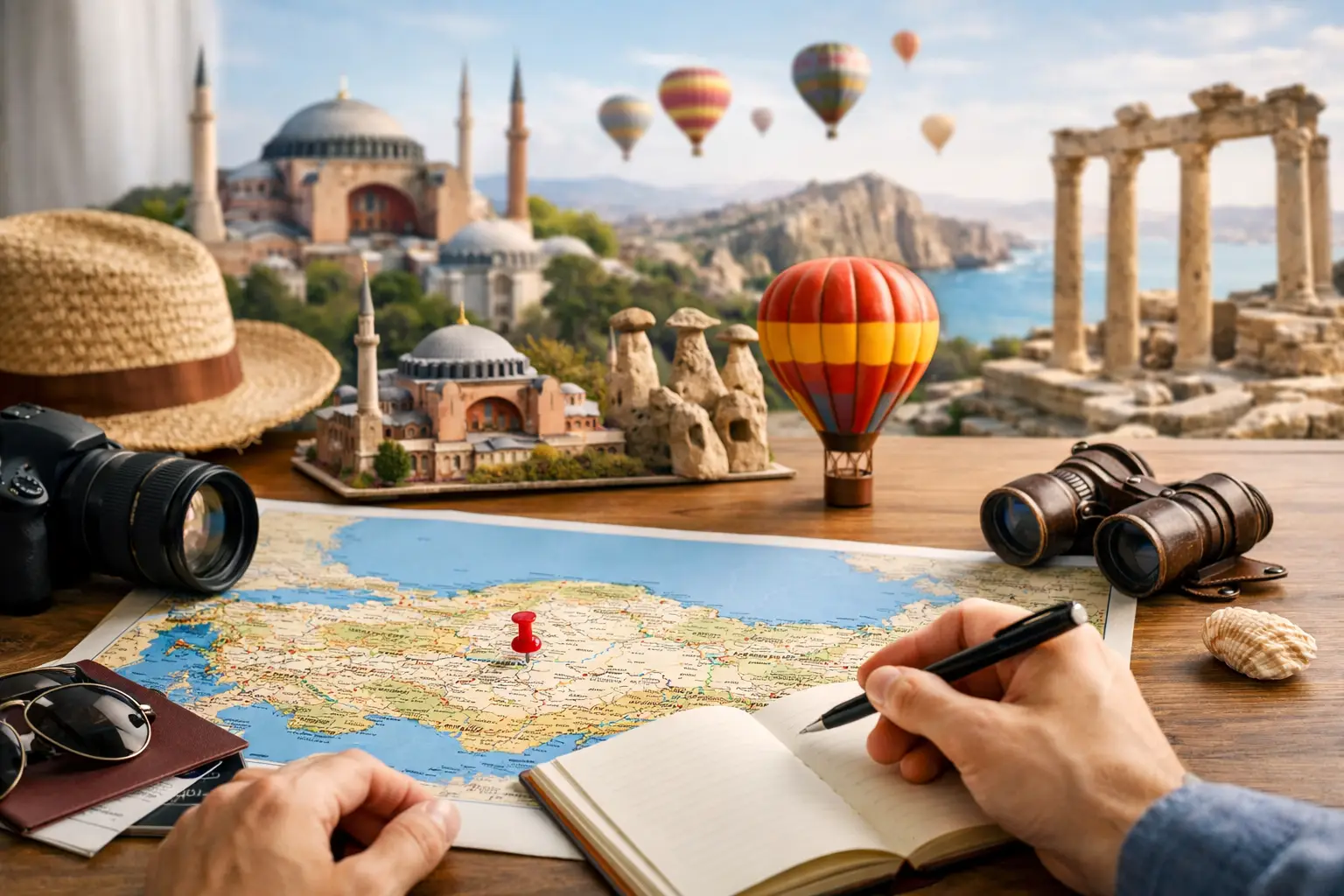
One extra night in Cappadocia can change the entire rhythm of your trip. So can choosing a direct domestic flight instead of a long overland transfer, or pairing Ephesus with Kusadasi instead of rushing back and forth. That is why a custom turkey tour itinerary works so well for travelers who want to see the highlights of Turkey without wasting time, energy, or key travel days.
Turkey rewards good planning. Distances are larger than many first-time visitors expect, and the country offers far more than a standard Istanbul-Cappadocia-Ephesus route. For some travelers, the right trip centers on Roman cities, biblical sites, and early Christian history. For others, it is about Ottoman landmarks, cave hotels, Aegean coastlines, or a family-friendly pace with fewer hotel changes. The best itinerary is rarely the longest one. It is the one built around how you actually want to travel.
Why a custom turkey tour itinerary makes sense
A fixed package can be a great starting point, but it does not always reflect your priorities. You may want more time in Istanbul, a private guide in Ephesus, a shore excursion from Kusadasi, or a shorter trip that uses domestic flights efficiently. A custom plan gives you control over those details without forcing you to coordinate every moving part on your own.
That matters in Turkey because logistics are part of the experience. The difference between a smooth trip and a tiring one often comes down to airport timing, hotel location, realistic sightseeing hours, and whether your route flows naturally from one region to the next. Travelers from the US usually want to maximize a one- or two-week vacation, which means each transfer, flight, and overnight stay needs to earn its place.
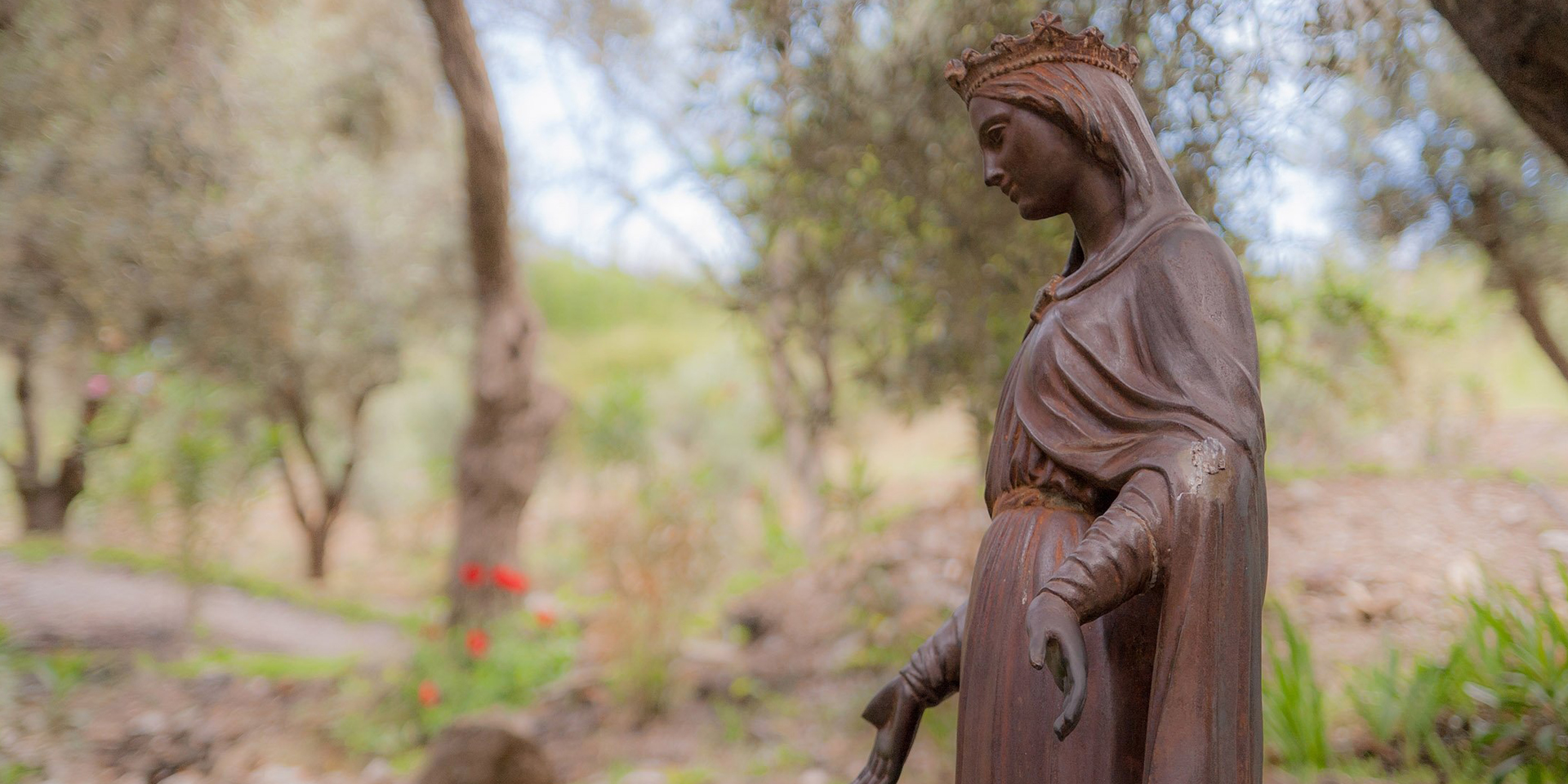
Customization also helps when your interests are more specific. A couple may want a premium private journey with boutique stays and slower mornings. A family may need connected rooms and less walking. A faith-based group may want the Seven Churches, House of Virgin Mary, and key biblical sites arranged in a logical sequence. A cruise passenger may only need one day done exceptionally well.
Start with the shape of your trip
Before selecting destinations, decide what kind of trip you are building. Most travelers fit into one of three patterns.
The first is the classic first-timer route. This usually includes Istanbul, Cappadocia, and Ephesus, often with Pamukkale added if time allows. It works well for travelers who want the best-known landmarks, varied scenery, and a balanced introduction to Turkey.
The second is a special-interest route. This may focus on biblical sites, Gallipoli and Troy, the Turquoise Coast, or southeastern Turkey and Mesopotamia. These itineraries are often more rewarding when they are built around a clear theme rather than squeezed into a general sightseeing trip.
The third is a hybrid trip that combines a pre-structured core with flexible additions. This is ideal if you like the convenience of a proven route but want to upgrade hotels, add private touring days, include a layover stop, or extend into Greece.
Choosing the right destinations for your custom Turkey tour itinerary
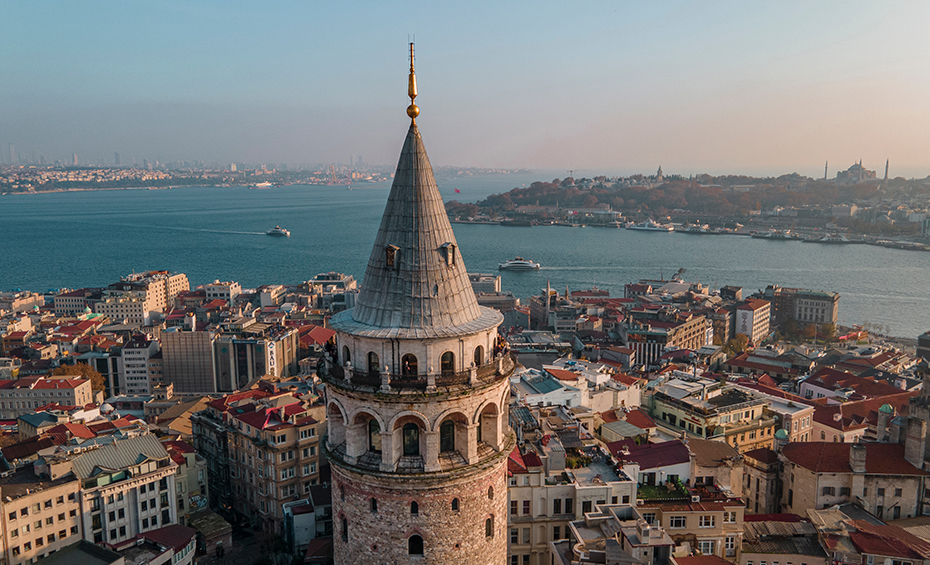
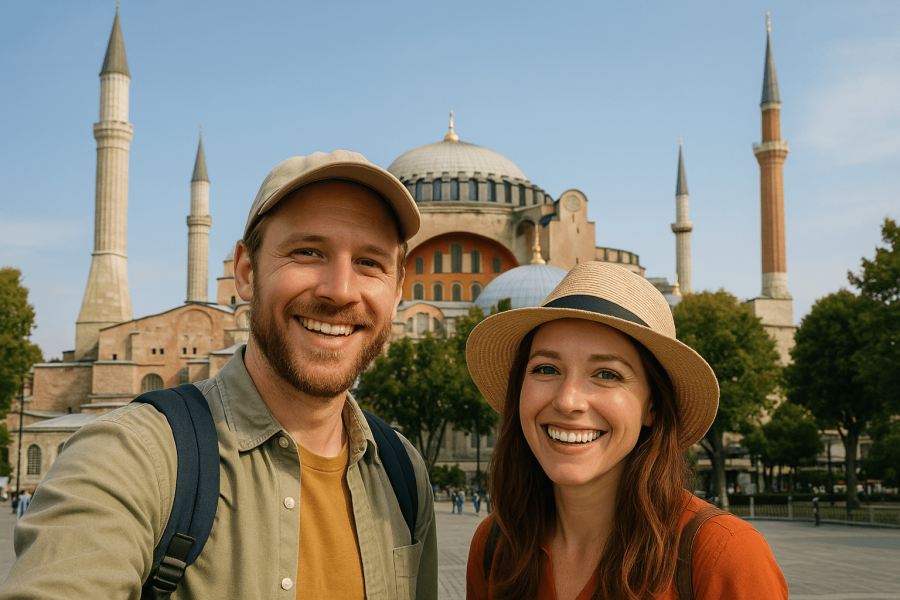
Istanbul is the natural anchor for most trips. It gives you imperial history, mosque architecture, bazaars, Bosphorus views, and neighborhood culture in one city. It also needs enough time. Two nights is possible, but three or four nights is more comfortable if you want to see the major sites without feeling rushed.
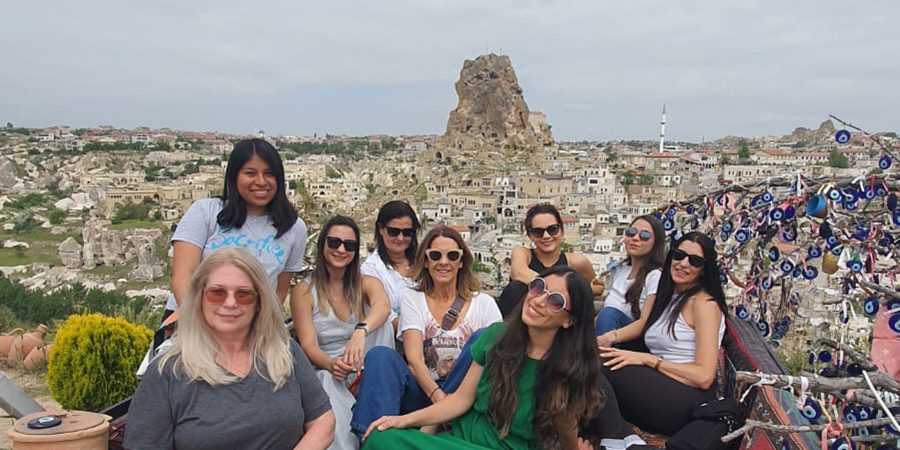
Cappadocia adds a completely different side of Turkey. The landscape is the draw, but the region also offers cave churches, underground cities, local crafts, and sunrise balloon views. It is worth at least two nights, and three is often better if you want room for weather-related changes or a slower pace.
Ephesus is one of the strongest historical stops in the country. The ancient city is impressive on its own, but the area becomes even more meaningful when paired with the House of Virgin Mary, the Basilica of St. John, or a biblical emphasis tied to early Christianity. Many travelers use Kusadasi as the base, especially if they are arriving by cruise or want a coastal hotel setting.
Pamukkale is a smart add-on when you have enough days and want visual contrast. The white travertines and Hierapolis create a very different stop from the urban energy of Istanbul or the archaeology of Ephesus. It works best when inserted as part of a routing that avoids backtracking.
Beyond those headline destinations, there are strong reasons to consider Gallipoli and Troy for history-focused travelers, Antalya or Bodrum for a more coastal program, and southeastern Turkey for those drawn to deeper cultural and archaeological layers.
Pace matters more than people think
A common planning mistake is trying to cover too much ground. On paper, adding one more city can look efficient. On the road, it can mean another airport transfer, another hotel check-in, and less time actually enjoying where you are.
A better custom turkey tour itinerary balances ambition with breathing room. In practical terms, that usually means limiting one-week trips to two or three main regions, while 10- to 12-day trips can handle four well-chosen stops with domestic flights. Once you start stacking too many one-night stays, the itinerary begins to work against you.
This is especially true for travelers who value guided touring. Expert guides make major sites more meaningful, but those visits also take time. Ephesus is not a place to rush. Neither is Topkapi Palace or the Göreme Open-Air Museum. If every day is packed too tightly, the trip starts to feel like a checklist instead of a journey.
Flights, drives, and the hidden value of smart routing
Turkey is well suited to multi-stop travel because domestic flights can save significant time. For US travelers with limited vacation windows, that is often the difference between a manageable itinerary and an exhausting one.
A well-designed route might begin in Istanbul, fly to Cappadocia, continue to Izmir for Ephesus, and return from a coastal or regional airport rather than repeating the same path. In other cases, a driver-guided land route is the better choice, especially when stops like Pamukkale, Antalya, or Konya fit naturally between major points.
There is no single right answer. Flights reduce travel hours but involve airport timing. Driving offers flexibility and countryside access but can make some days longer. The right choice depends on your trip length, budget level, and tolerance for movement. This is where planning support becomes valuable, because the best routing is often not obvious when you first start comparing destinations.
Private, small group, or a mix
Customization is not only about where you go. It is also about how you tour.
Private touring gives you the most flexibility. It works particularly well for families, couples celebrating a milestone, travelers with a strong historical or religious focus, and anyone who wants a more tailored pace. You can spend longer where your interest is strongest and move more quickly through sites that matter less to you.
Small group touring can be a smart option if you want structure and value while still covering the major landmarks with professional guidance. Some travelers combine both styles, using a private guide in cities where depth matters most and shared arrangements in other segments. That kind of mix can keep the trip efficient without making it feel generic.
What to decide before you request a custom plan
The fastest way to get a useful itinerary proposal is to be clear about a few priorities. Your travel dates and total trip length come first. Then think about your must-see destinations, preferred hotel level, and whether you want private touring, small group touring, or a combination.
It also helps to mention special interests early. Biblical travel, shore excursions, layover touring, luxury preferences, reduced walking needs, and intergenerational family requirements all affect how the itinerary should be designed. The more specific you are, the more practical the proposal becomes.
If you are not sure where to start, begin with time. A realistic seven-day trip should look different from a 12-day trip, even if both include Istanbul and Cappadocia. Good planning is not about squeezing the maximum number of pins onto a map. It is about building the most rewarding route for the days you actually have.
A sample framework travelers often prefer
For first-time visitors, one of the strongest custom frameworks is three nights in Istanbul, two nights in Cappadocia, two nights in Kusadasi for Ephesus, and one night near Pamukkale if the schedule allows. That gives you major contrasts – imperial city, dramatic landscape, classical ruins, and natural wonder – without making every day a transfer day.
For a faith-focused traveler, the route may shift toward Istanbul, Cappadocia, the Izmir region, and the Seven Churches corridor, with more guided time at religious and archaeological sites. For cruise guests, the right answer may be much narrower: a single high-quality shore excursion that uses port time efficiently and avoids unnecessary stress.
This is where Smart Turkey Tours is at its best – taking a broad set of possibilities and shaping them into a trip that feels organized, realistic, and personal.
The best itinerary is the one that leaves room for the moments you remember later: the call to prayer across Istanbul, the silence of an underground city, the heat rising off marble streets in Ephesus, the surprise of how much history can fit into one journey. Plan for those moments, not just the map.