
A biblical turkey tour is not a niche add-on to a Turkey vacation. For many travelers, it is the main reason to go. Western Turkey holds some of the most significant early Christian sites in the world, and when you plan the route well, you can experience them without wasting days on complicated transfers, missed connections, or rushed visits.
Turkey gives faith-based travelers something rare – biblical context at full scale. You are not only visiting one church or one excavation. You are moving through the landscape of the Book of Acts, the Seven Churches of Revelation, and the wider world of St. Paul, St. John, and the early Christian communities that shaped church history.
Why a biblical turkey tour matters
The value of this journey is not just spiritual. It is also historical and geographic. Places that many travelers know only from sermons or scripture studies become visible in a very practical way. Distances make sense. Roman roads, port cities, trade routes, and hilltop settlements begin to explain why these churches were planted where they were and how Christianity spread through Asia Minor.
That is why itinerary design matters so much. A biblical trip in Turkey is most rewarding when it connects the major Christian sites with the right pacing. If the route is too ambitious, every day becomes a hotel change. If it is too narrow, you miss the wider story that gives these places meaning.
For most US travelers, a well-structured multi-day program works best because Turkey is large, and key biblical destinations are spread across different regions. Domestic flights, private transfers, and experienced guiding make a major difference in how comfortable and complete the experience feels.
The core stops on a biblical turkey tour
For many travelers, the foundation of a biblical turkey tour is the Seven Churches of Revelation. These sites are concentrated in western Turkey, which makes them possible to combine into one efficient route.
Ephesus
Ephesus is usually the emotional and historical centerpiece. This is one of the most powerful biblical sites in Turkey and often the highlight of the trip. The city is closely connected with St. Paul, who preached here, and with the early Christian community addressed in Revelation. It is also associated with St. John and, by strong tradition, the Virgin Mary.
What makes Ephesus exceptional is scale. This is not a symbolic stop with a plaque and a short explanation. It is a major ancient city where streets, facades, theaters, and public spaces still convey the life of the Roman world in which early Christianity took root.
Smyrna, Pergamon, Thyatira, Sardis, Philadelphia, and Laodicea
The remaining churches each offer a different perspective. Smyrna, today’s Izmir area, carries the memory of endurance and persecution. Pergamon stands out for its dramatic hilltop setting and strong imperial character. Thyatira is often quieter archaeologically, but it remains important for travelers following the complete Revelation route.
Sardis and Philadelphia bring the journey inland, where the terrain shifts and the story broadens beyond the coast. Laodicea, near Denizli, is especially valuable because of its growing archaeological visibility and direct biblical association. Many travelers pair this region with nearby Hierapolis and Pamukkale, which adds both historical depth and a natural landmark to the itinerary.
House of Virgin Mary and Basilica of St. John
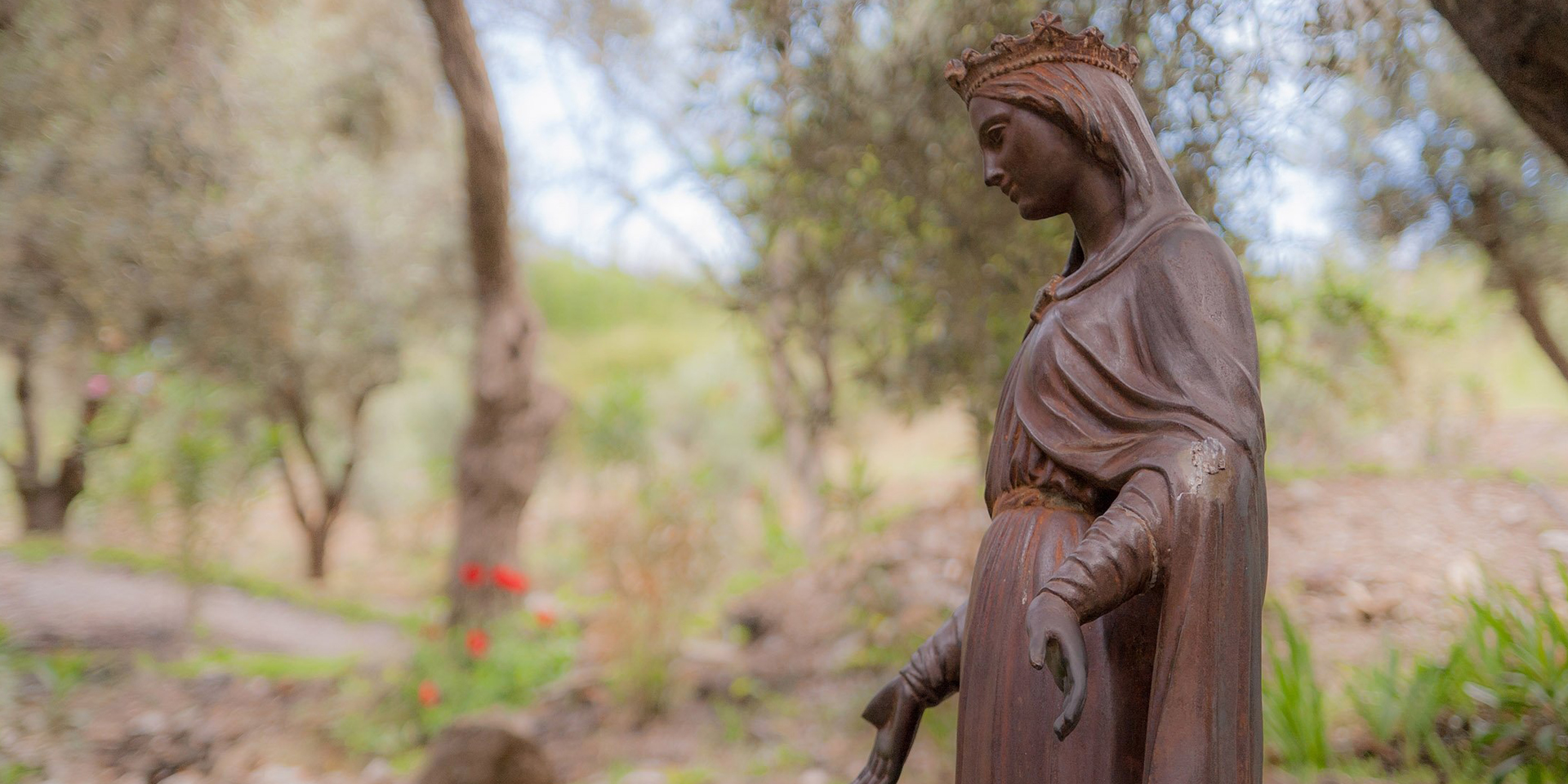
Near Ephesus, these two sites deepen the Christian focus of the journey. The House of Virgin Mary offers a devotional setting that many faith-based travelers consider essential. The Basilica of St. John adds another layer, tying the region to apostolic history and early church tradition.
These stops also help balance the trip. A biblical itinerary is strongest when it includes both major ruins and places of prayerful reflection.
Beyond the Seven Churches
Some travelers want a focused western Turkey route. Others want to build a broader biblical program that follows St. Paul more closely or connects Turkey with Greece.
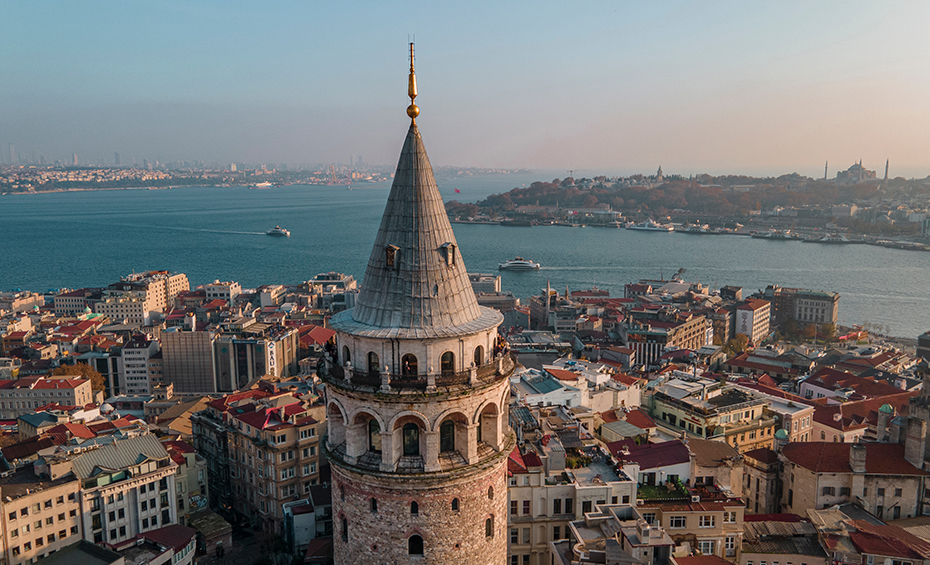
That is where customization becomes important. Depending on available days, you may want to add Antioch, Tarsus, or even Istanbul for its later Christian heritage. If your travel window is shorter, it may be smarter to keep the program concentrated around Izmir, Kusadasi, Ephesus, Pamukkale, and the inland church sites.
There is no single perfect route for everyone. A pastor leading a church group may want a scripture-centered schedule with teaching time at each stop. A couple planning a private trip may prefer a more comfortable pace, stronger hotel selection, and time for broader cultural sightseeing. Both approaches work, but they should not be built the same way.
How many days do you need?
Seven to ten days is the sweet spot for most biblical travelers in Turkey. That gives enough time to cover the main western Turkey sites properly without turning the trip into a checklist.
A shorter trip of four to five days can work if you focus on Ephesus, the House of Virgin Mary, Laodicea, Sardis, and a few of the Seven Churches. The trade-off is pace. You will see important places, but there will be less room for rest and less flexibility if flights or timing shift.
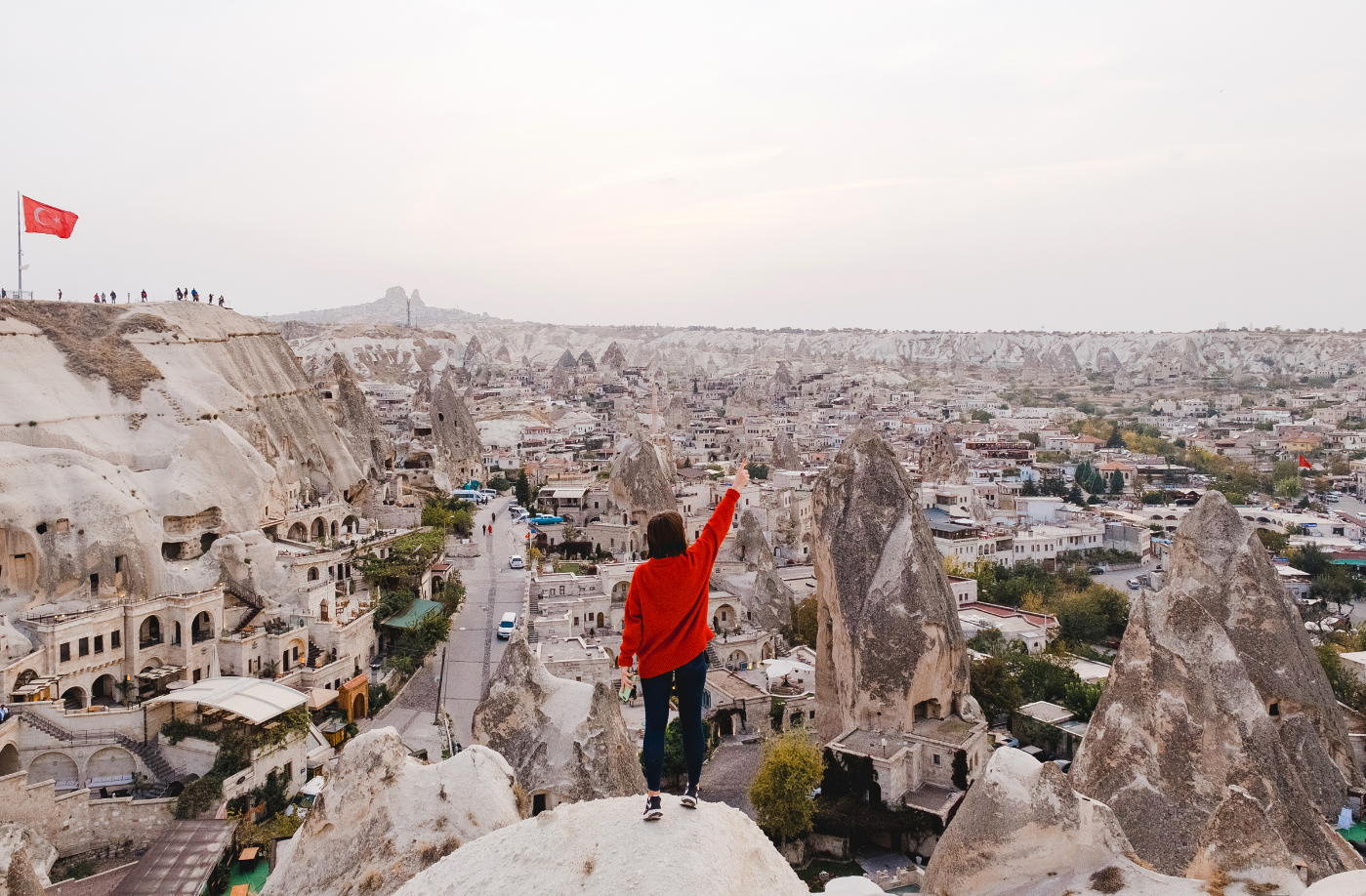
A longer itinerary of ten to twelve days allows for a better balance of biblical touring and classic Turkey highlights. This can be especially appealing for first-time visitors coming from the US who want to include Istanbul or Cappadocia alongside their faith-based journey. It changes the trip from a specialized route into a fuller Turkey experience.
What to expect on the ground
The best biblical tours are deeply rewarding, but they are not passive trips. Many of the most meaningful sites are archaeological areas with uneven walking surfaces, sun exposure, and large open spaces. Good planning matters.
You should expect early starts on some days, especially when moving between cities or visiting major sites before peak crowds. You should also expect a mix of modern Turkey and ancient history. One moment you are standing in a Roman theater linked to the New Testament. Later that same day, you may be driving through contemporary towns, agricultural valleys, or resort areas.
That contrast is part of what makes the trip memorable. Turkey is not a museum. It is a living country where biblical history sits inside active landscapes, modern roads, and regional culture.
Private tour or small group?
This depends on your travel style. A small group biblical turkey tour can be cost-effective and socially engaging, especially for solo travelers or couples who enjoy shared learning. It also works well when the itinerary is fixed and the group is comfortable with a set pace.
A private tour is often the better fit for families, church leaders, older travelers, or anyone who wants more flexibility. You can move at your own rhythm, spend more time at the sites that matter most to you, and build the route around your arrival city, hotel preferences, and interests.
For many US travelers, private touring also removes the stress of coordinating domestic flights, hotel changes, and longer overland transfers. That convenience becomes more valuable in a destination like Turkey, where distances are manageable but not small.
When to go
Spring and fall are usually the best seasons for a biblical turkey tour. The weather is more comfortable for walking, and archaeological visits are generally more pleasant than in peak summer heat.
Summer can still work, especially for travelers tied to school schedules, but the pace may need adjustment. Early morning touring becomes more important, and site visits in exposed areas can feel demanding by midday. Winter offers fewer crowds and a quieter atmosphere, though weather conditions can vary by region.
Planning the route well
The smartest biblical itineraries are built around geography, not just a wish list of names. Arriving in Istanbul and departing from Izmir, or the reverse, can save time. So can combining overland touring with domestic flights instead of backtracking across the country.
This is where experienced destination planning really matters. On paper, many sites look close together. In practice, timing depends on road distances, hotel bases, entrance flow, and how long you actually want to spend at each location. A route that looks efficient online can become tiring very quickly if the sequence is off.
Smart Turkey Tours plans these journeys with that reality in mind, helping travelers combine biblical significance with realistic pacing, quality guiding, and smooth logistics.
Who this trip is best for
A biblical journey through Turkey is ideal for church groups, couples, families with older children, pastors, and culturally curious travelers who want more than a standard sightseeing vacation. It works especially well for people who value structure but still want the option to personalize parts of the route.
You do not need to be a biblical scholar to appreciate these places. But if you do come with scripture knowledge, the experience often becomes even more meaningful because the physical setting adds depth to passages you already know.
The strongest trips are the ones that match your priorities from the start. If your goal is devotional reflection, choose fewer stops and more time on site. If your goal is historical coverage, build a broader route and keep the pace active. If your goal is a complete Turkey trip with biblical highlights, combine the church sites with the country’s best-known destinations in one coordinated plan.
The right biblical turkey tour should leave you with more than photos and site names. It should give shape to the world of the early church and make the journey feel manageable from the moment you arrive.