
Three places shape most first trips to Turkey for a reason. Istanbul gives you imperial landmarks and street life, Cappadocia delivers the country’s most unusual landscapes, and Ephesus brings the ancient world into sharp focus. An istanbul cappadocia ephesus tour puts those highlights into one well-paced itinerary, but the difference between a good trip and a tiring one usually comes down to structure.
For many US travelers, the challenge is not choosing where to go. It is fitting the right destinations into the right number of days, with sensible flight connections, hotel locations, and guided touring that does not feel rushed. That is why this route works best as a planned package rather than a do-it-yourself puzzle of airports, transfers, and timed entries.
Why an Istanbul Cappadocia Ephesus tour works so well
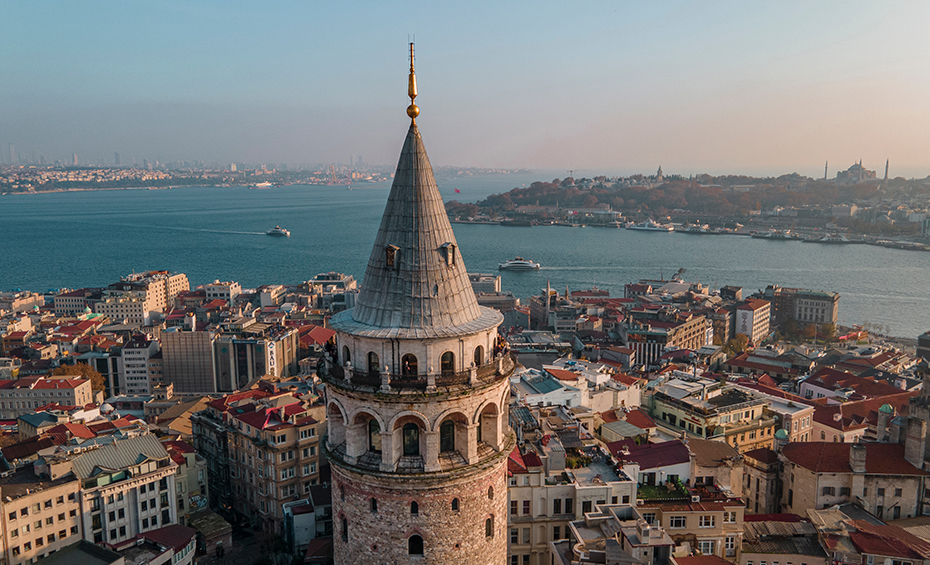
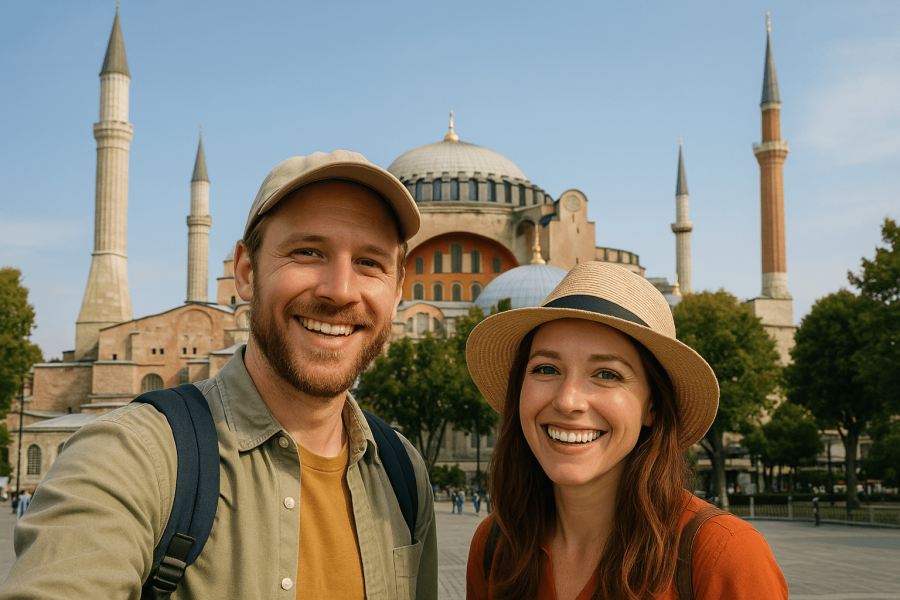
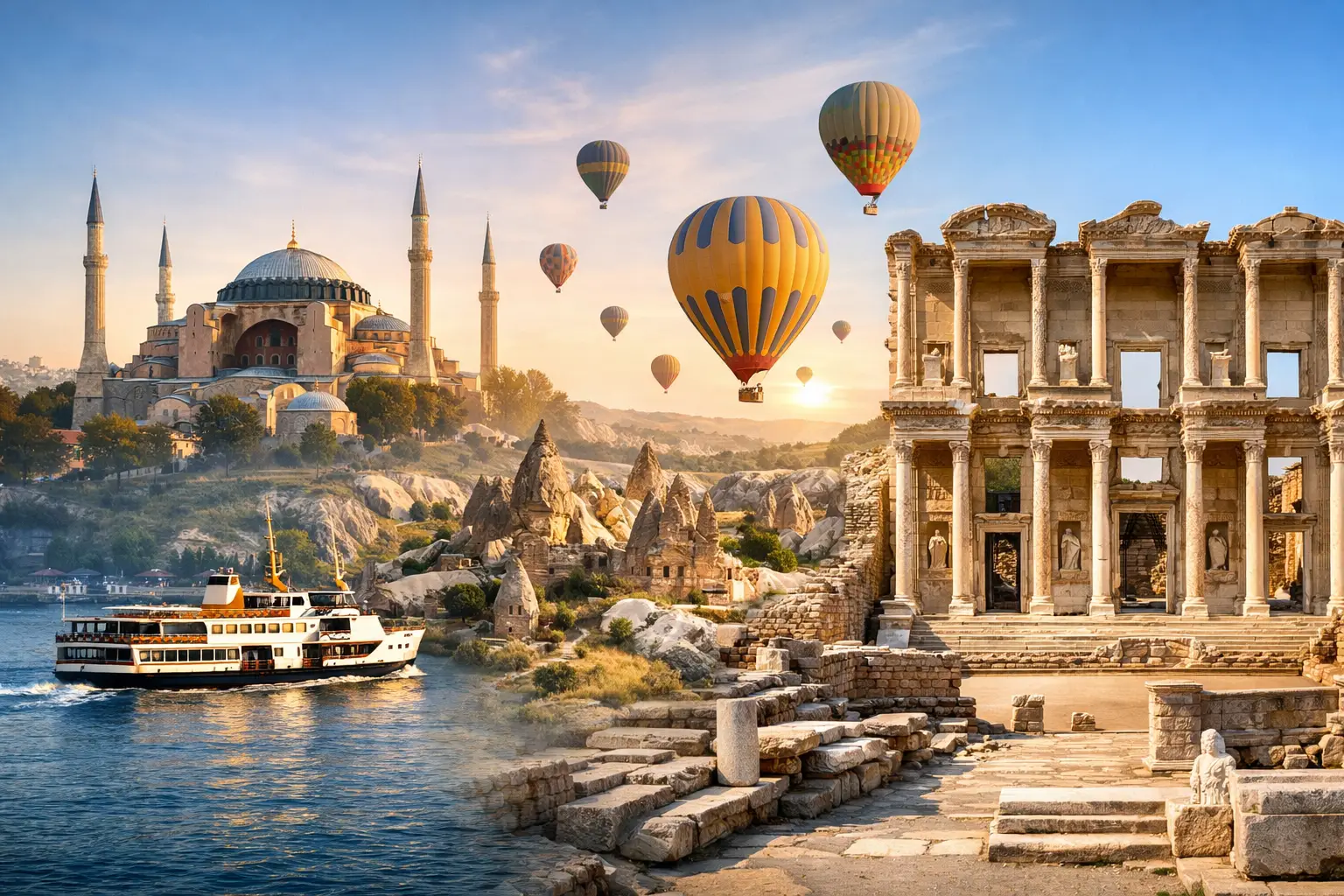
These three destinations complement each other in a way few Turkey itineraries do. Istanbul is layered, urban, and monumental. You move between the Hagia Sophia, Blue Mosque, Topkapi Palace, the Basilica Cistern, and the Grand Bazaar while also seeing how modern Turkish life pulses around those sites.
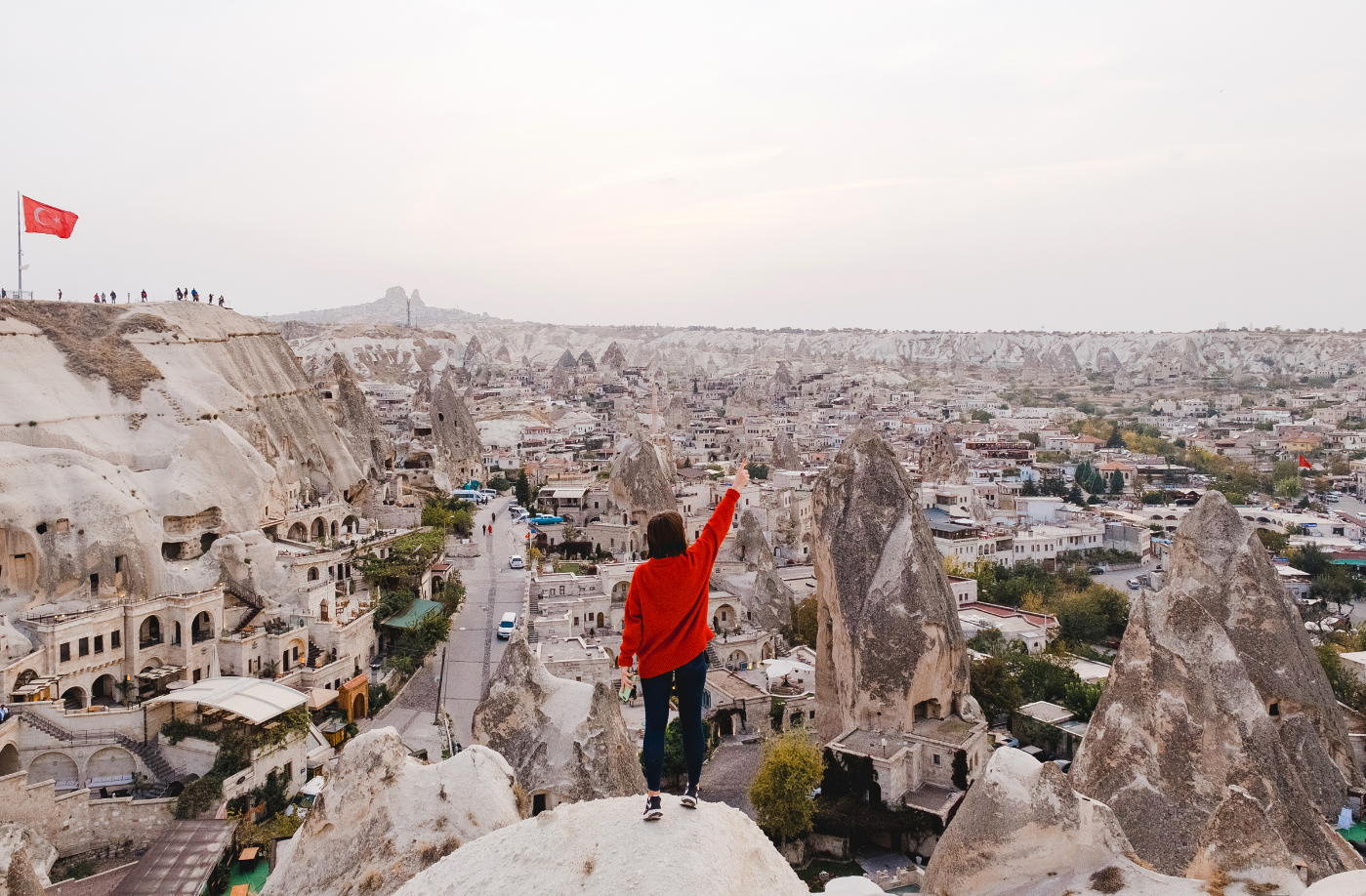
Cappadocia changes the pace completely. After Istanbul’s domes and waterfront, you arrive in a region of valleys, rock-cut churches, cave dwellings, and fairy chimneys. It feels open, cinematic, and quieter. Many travelers also want the option of an early morning hot air balloon flight, which makes overnight planning especially important.
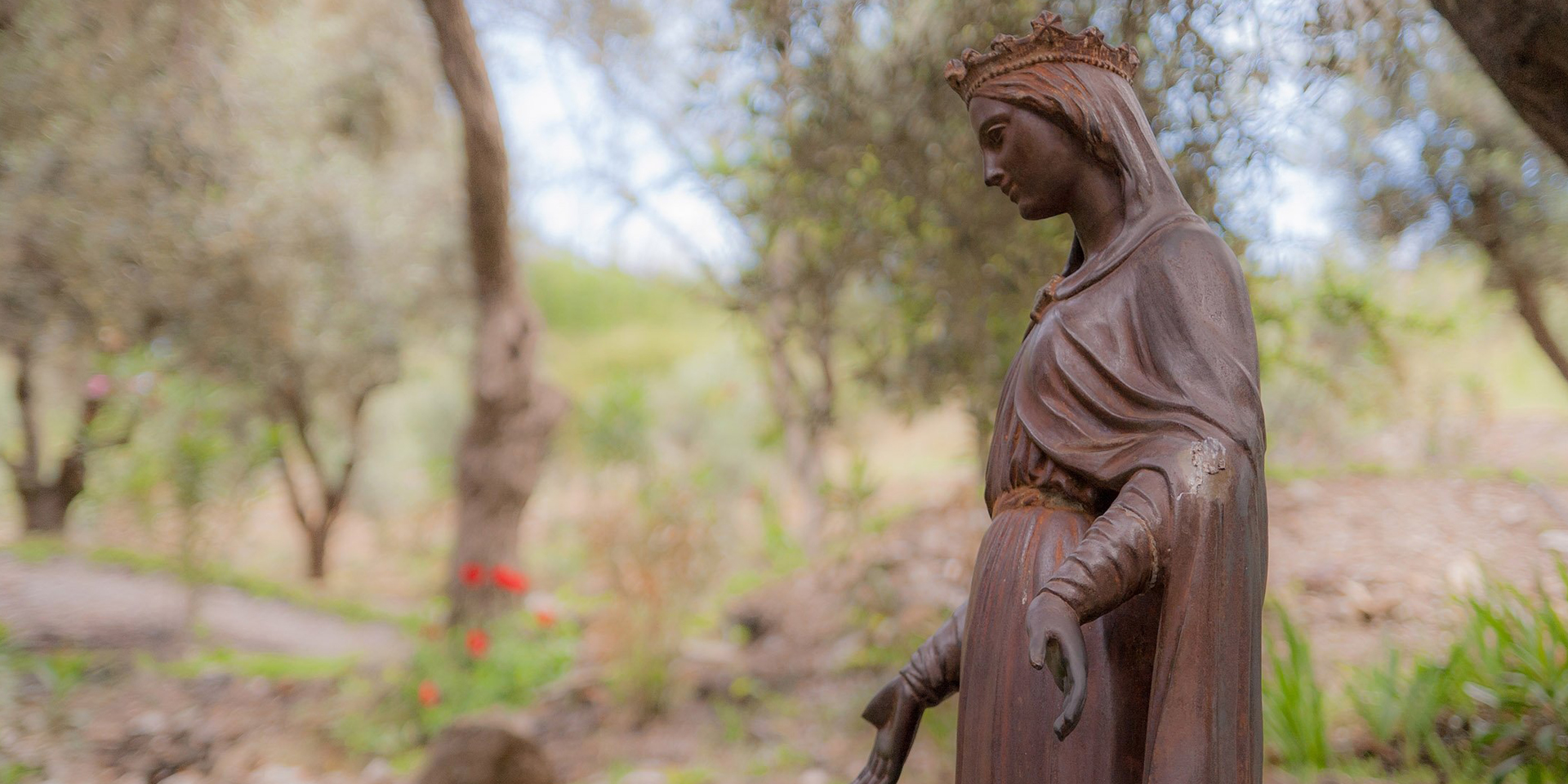
Ephesus adds a different kind of depth. This is where Roman urban design, early Christian heritage, and archaeological preservation come together in one of the Mediterranean’s most important ancient cities. A well-planned visit often includes the Library of Celsus, Great Theater, Temple of Hadrian, and the House of Virgin Mary, depending on your interests.
The route also makes logistical sense. Istanbul connects easily with domestic flights to Cappadocia and Izmir, the main gateway for Ephesus. Instead of spending long hours on buses between distant regions, travelers can focus on guided sightseeing and comfortable transfers.
How many days do you need?
The best answer depends on your travel style. If you like to move efficiently and cover the essentials, six or seven days can work. If you prefer a more comfortable pace with time for a balloon ride, museum stops, and less airport pressure, eight to ten days is the better range.
A shorter itinerary usually means two nights in Istanbul, two nights in Cappadocia, and one or two nights in the Kusadasi or Selcuk area for Ephesus. That format is ideal for travelers who want the major icons without adding extra regions.
A longer plan gives each stop room to breathe. In Istanbul, that might mean adding a Bosphorus cruise or a full Byzantine and Ottoman day. In Cappadocia, it may allow both North and South Cappadocia touring instead of choosing one. Around Ephesus, extra time can support visits to Sirince, the Basilica of St. John, or even Pamukkale if you want a broader western Turkey itinerary.
If this is your first visit to Turkey, the most balanced choice is often an eight-day program. It covers the signature experiences without turning the trip into a constant sequence of check-ins and departures.
What a smart itinerary looks like
A strong istanbul cappadocia ephesus tour is not just a list of places. It is built around flight timing, energy levels, and regional geography.
Most travelers begin in Istanbul because international arrivals are easiest there. After two or three days of city touring, a domestic flight to Cappadocia keeps the transition simple. From Cappadocia, another domestic flight to Izmir avoids an all-day overland transfer. Ephesus touring then runs smoothly from Kusadasi or Selcuk, followed by departure from Izmir or a return to Istanbul, depending on your international ticket.
This order matters. Starting in Istanbul helps travelers adjust after a long transatlantic flight with a destination that offers flexible sightseeing and strong hotel infrastructure. Cappadocia works well in the middle because balloon schedules and valley touring benefit from at least two nights. Ephesus is often a satisfying final cultural stop because the day touring is concentrated and highly rewarding.
Hotel selection also shapes the experience. In Istanbul, a centrally located hotel in Sultanahmet or another well-connected district saves time. In Cappadocia, cave hotels are popular for atmosphere, but comfort levels vary, so category matters. Near Ephesus, staying in Kusadasi can provide more resort-style convenience, while Selcuk offers a closer, more local base.
What you should expect to see in each destination
In Istanbul, most first-time visitors want the classic old-city monuments. That usually includes Hagia Sophia, Blue Mosque, Hippodrome, Topkapi Palace, and the Basilica Cistern. Depending on the day and your pace, the Grand Bazaar, Spice Bazaar, Bosphorus cruise, and Dolmabahce Palace can also fit naturally into the program.
In Cappadocia, the highlights are spread across valleys and open-air sites, so guided routing is valuable. Goreme Open-Air Museum is essential for many travelers because of its rock-cut churches and frescoes. UcHisar, Devrent Valley, Pasabag, Avanos, Kaymakli or Derinkuyu underground city, and scenic viewpoints often appear across one- or two-day touring plans. Balloon rides are optional, weather-dependent, and usually booked as an add-on, but for many guests they are a major reason to include Cappadocia.
In Ephesus, the site itself is the centerpiece. Walking the marble streets past the Library of Celsus and Great Theater is one of Turkey’s most memorable experiences. Many travelers also want to include the House of Virgin Mary for its religious significance. For faith-based or biblical travelers, this part of the itinerary can hold special meaning, especially when paired with nearby early Christian sites.
Private tour or small group?
Both formats can work well, but they serve different priorities. A small group option is often more cost-effective and suits travelers who are comfortable with a shared schedule. It can be an excellent fit for couples and solo travelers who want guided sightseeing without paying private tour rates.
A private itinerary offers more control. Families, older travelers, and guests with strong cultural or religious interests often prefer it because the pace can be adjusted and the guide can spend more time on the subjects that matter most. It is also easier to coordinate hotel category upgrades, room preferences, airport support, and special requests with a private package.
The right choice depends on budget, flexibility, and how personalized you want the experience to feel. For a multi-stop journey like this, many travelers find that private planning removes friction at every stage.
Details that make a big difference
Domestic flights are not a minor inclusion on this route. They are what turn a potentially tiring itinerary into a comfortable one. Airport meet-and-greet, hotel transfers, and timed touring around flight schedules are equally important. These details are easy to overlook when comparing prices, but they heavily influence how the trip feels on the ground.
Guiding is another major factor. Istanbul, Cappadocia, and Ephesus are not places where generic sightseeing delivers the same value. Licensed local guides help travelers move past surface-level photos and understand what they are seeing, whether that is Byzantine history in Istanbul, volcanic geology in Cappadocia, or Roman and early Christian significance in Ephesus.
Season also matters. Spring and fall usually offer the best balance of weather and touring comfort. Summer brings long daylight hours but also more heat, especially in Ephesus. Winter can be beautiful in Cappadocia, sometimes with snow, but balloon operations are more weather-sensitive. There is no single perfect season, only the season that best matches your priorities.
Choosing the right package for your trip
The best package is the one that matches your time, interests, and pace. If your goal is a classic first Turkey trip, focus on an itinerary that includes Istanbul’s old-city landmarks, two full days in Cappadocia, and a guided Ephesus visit with smooth domestic flight connections. If you are traveling for religious heritage, make sure the House of Virgin Mary and related biblical context are built into the program. If comfort is the priority, pay close attention to hotel class, transfer quality, and whether the itinerary feels realistic rather than ambitious on paper.
At Smart Turkey Tours, this route is especially appealing because it combines Turkey’s headline destinations in one organized journey while still leaving room for customization. That can mean adjusting the number of nights, choosing private guiding, or extending to Pamukkale, Gallipoli, or a Turkey-Greece combination if your schedule allows.
A well-built trip should make Turkey feel easy to experience, not difficult to piece together. When the flights, stays, transfers, and guided visits are arranged in the right order, you spend less time thinking about logistics and more time standing where empires, early Christians, and ancient cities left their mark. If you are planning your first multi-stop journey in Turkey, this is one route that rewards getting the details right from the start.