

A strong history itinerary in Turkey does more than collect famous ruins. The best turkey tours for history connect empires, faiths, battlefields, and living cities in an order that makes sense – while handling the domestic flights, hotel changes, and road travel that can make independent planning difficult.
Turkey rewards travelers who give its major sites enough time. Istanbul alone spans Byzantine and Ottoman worlds; western Anatolia holds Troy, Gallipoli, Pergamon, Ephesus, and Pamukkale; central Turkey adds Hittite heritage and Cappadocia’s early Christian landscape. The right tour depends on whether you want a broad first visit, a biblical focus, a battlefield journey, or a private itinerary built around your own interests.
1. Istanbul, Gallipoli, Troy, and Ephesus
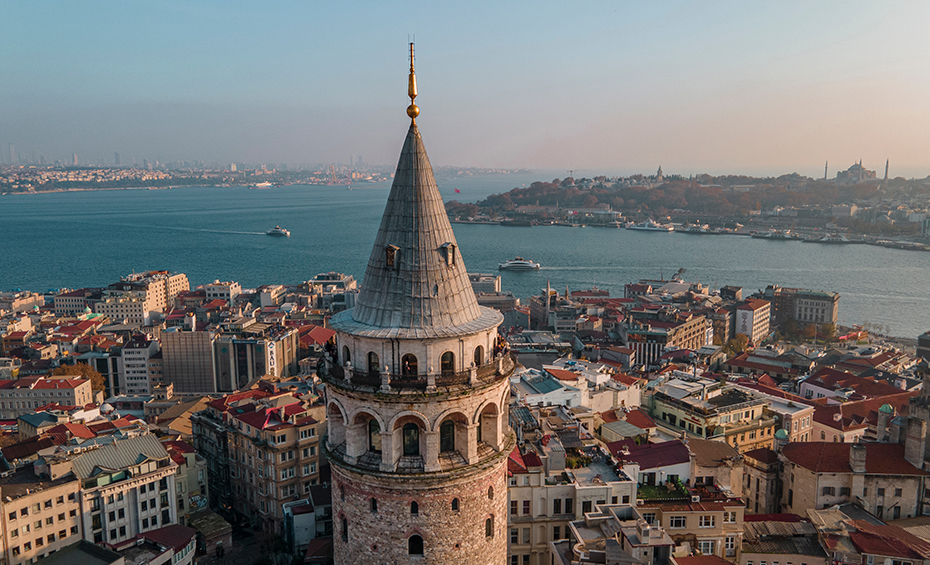
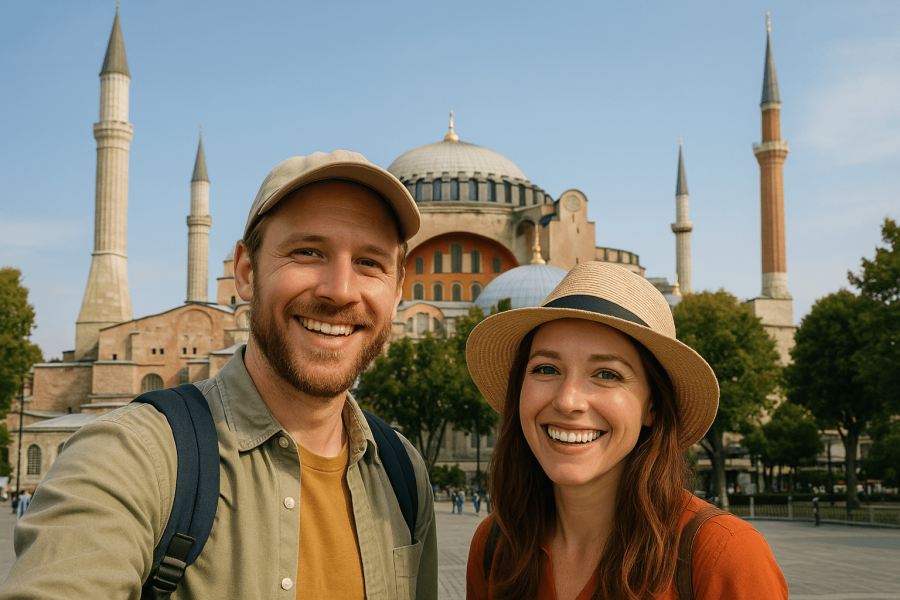
For travelers who want a classic historical route through northwestern and western Turkey, this is one of the most rewarding combinations. Begin in Istanbul with the Hagia Sophia, Blue Mosque, Topkapi Palace, Hippodrome, Basilica Cistern, and the Grand Bazaar. These sites establish the scale of Constantinople before you travel into the landscapes that shaped ancient and modern history.
Gallipoli brings a very different experience. The memorials, cemeteries, trenches, and landing beaches make the 1915 campaign tangible, particularly for American travelers interested in the wider story of World War I and the Allied campaign. A knowledgeable guide matters here because the ground itself is quiet; the meaning comes from understanding the events, people, and strategic decisions behind each stop.
From Gallipoli, continue to Troy, where archaeological layers reveal that the legendary city was not a single moment in time but a settlement rebuilt over centuries. Ephesus then provides the grand Roman finale: its marble streets, theater, library façade, terrace houses, and harbor history give visitors a far clearer sense of urban life than a brief stop at an isolated ruin.
Allow at least six to eight days for this route. It is a smart choice for first-time visitors who want major highlights without trying to cover the entire country at an exhausting pace.
2. The Best Turkey Tours for History and Biblical Heritage
A biblical tour of Turkey is best treated as a journey through the early Christian world, not simply a checklist of church sites. The most meaningful itineraries pair scriptural context with the Roman cities, trade routes, and regional cultures in which Christianity spread.
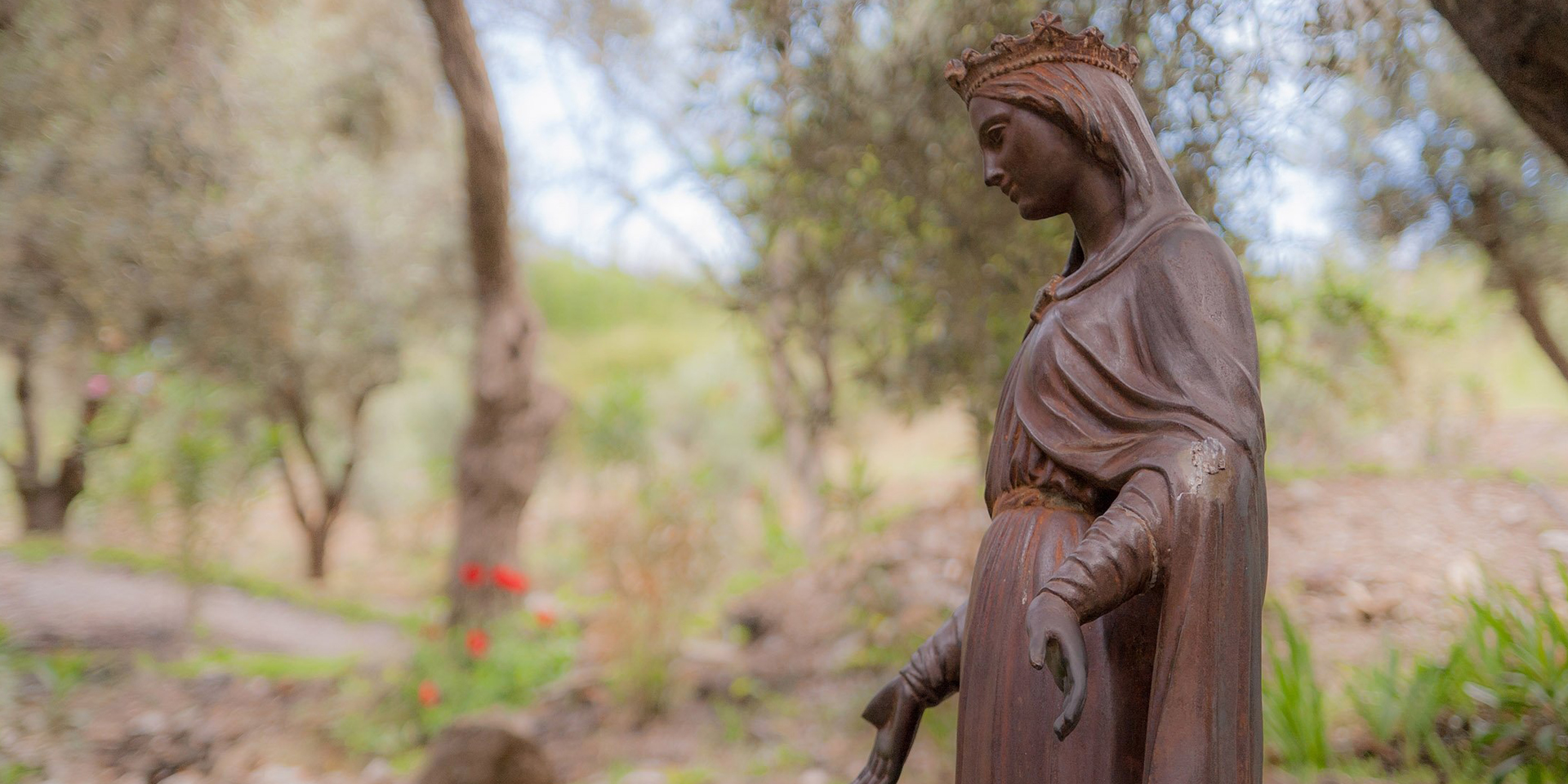
Ephesus is central to many faith-based programs. Travelers can visit the ancient city, the Basilica of St. John, the House of the Virgin Mary, and the remains associated with the community addressed in the Book of Ephesians. Nearby, the archaeological setting helps explain why Ephesus became such an influential port city and religious center.
For a more complete experience, choose a Seven Churches itinerary. These programs commonly include Pergamon, Thyatira, Sardis, Philadelphia, Laodicea, and Smyrna in modern Izmir, alongside Ephesus. The route also often includes ancient Hierapolis at Pamukkale, where the white travertine terraces add a memorable natural setting to a historically rich day.
Travelers with a special interest in St. Paul should consider an itinerary that reaches Pisidian Antioch, Iconium in modern Konya, Lystra, Derbe, Tarsus, and the Mediterranean coast. These tours require more driving and usually benefit from a private or small-group format. The trade-off is worthwhile for guests who want deeper geographic and biblical context rather than only the best-known sites.
3. Istanbul and Cappadocia for Two Eras of Turkey
If your vacation time is limited, an Istanbul and Cappadocia tour offers one of the best balances of history, culture, and efficient travel. A domestic flight links the two regions quickly, avoiding long road transfers and preserving more time for sightseeing.
In Istanbul, focus on the transition from the Byzantine Empire to the Ottoman Empire. Hagia Sophia tells both stories in a single monument. The Chora Church area, the city walls, the Basilica Cistern, and the imperial collections at Topkapi Palace can add depth for travelers who have already seen the headline attractions.
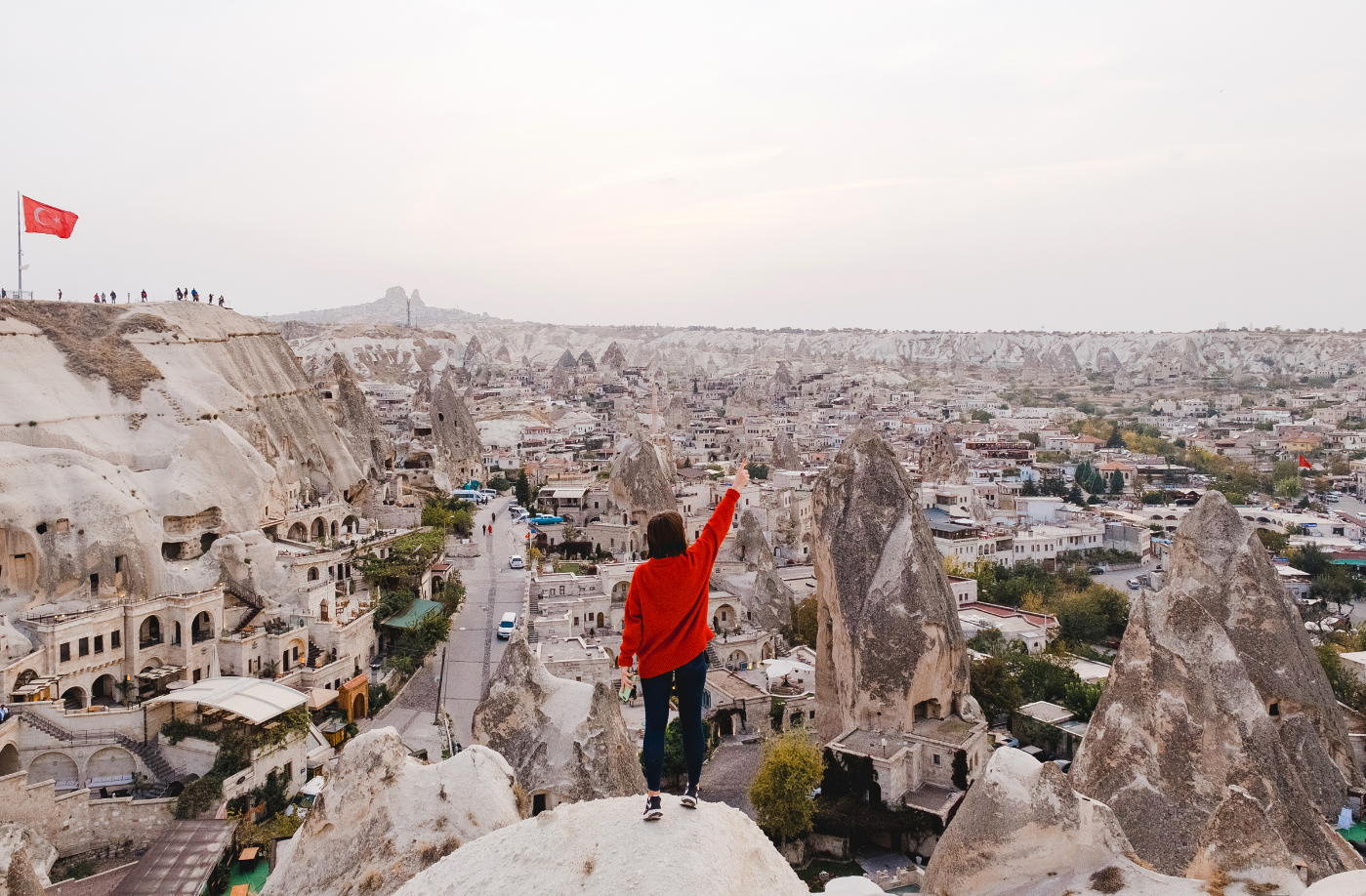
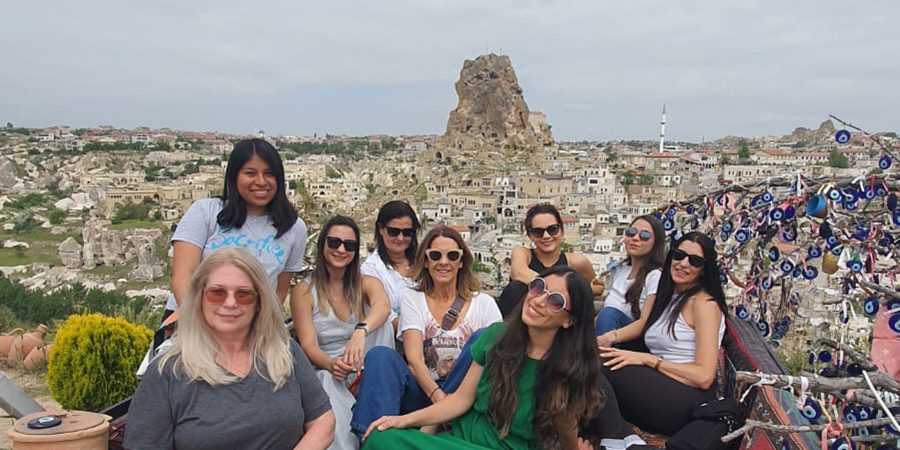
Cappadocia shifts the story to central Anatolia. Its volcanic valleys contain rock-cut churches painted with frescoes, underground cities created for protection, and cave dwellings adapted over generations. Göreme Open-Air Museum is often a highlight, but it should not be the only stop. Underground cities such as Kaymakli or Derinkuyu, along with valleys and village churches, reveal how communities lived within this distinctive landscape.
A four- to six-day package works well for couples, families, and travelers adding Turkey to a wider Eastern Mediterranean vacation. It is less archaeology-heavy than an Ephesus-focused route, but it provides extraordinary visual variety and a meaningful historical range.
4. Aegean Archaeology From Izmir to Pamukkale
Travelers fascinated by Greek, Roman, and early Christian antiquity should look for an Aegean itinerary centered on Izmir, Pergamon, Ephesus, Aphrodisias, and Pamukkale. This route is ideal for guests who want substantial archaeological time rather than a tour dominated by Istanbul or resort destinations.
Pergamon rises dramatically above the modern town of Bergama, with an acropolis that includes a theater built into the hillside, temples, and the remains of an influential ancient capital. Ephesus offers a different scale: a preserved city plan that lets visitors walk through commercial streets, public spaces, bath complexes, and monumental buildings.
Aphrodisias is often the surprise favorite for serious history travelers. Its stadium, temple complex, sculpture tradition, and broad ruins are exceptionally evocative. Because it is less crowded than Ephesus, it can feel more spacious and contemplative. Pamukkale and Hierapolis complete the route with Roman baths, a necropolis, theater, and thermal springs above the famous white terraces.
Plan five to seven days if you want to enjoy these sites without rushing. Summer heat can be intense across the Aegean, so early starts and a well-paced itinerary make a real difference.
5. Mesopotamia and Southeastern Turkey
For travelers who have already seen Istanbul and Ephesus, southeastern Turkey opens an entirely different chapter. This region is where a private, customized tour often delivers the greatest value because distances are longer and interests vary widely.
A well-designed route may include Gaziantep and its remarkable mosaic collection, Şanlıurfa, the ancient sanctuary of Göbekli Tepe, Harran’s distinctive beehive houses, Mardin’s stone architecture, and Diyarbakır’s historic walls. These destinations bring together Neolithic ritual landscapes, Mesopotamian heritage, Roman frontiers, Syriac Christian traditions, and regional food culture.
This is not the right choice for travelers seeking only polished, marquee attractions or short transfer days. It is an outstanding option for curious return visitors who want a deeper view of Anatolia’s oldest civilizations and the cultural crossroads near the Syrian and Mesopotamian plains.
6. A Private History Tour Built Around Your Priorities
Private touring is especially useful when history is the main reason for your trip. It allows you to spend longer in a museum, add a lesser-known archaeological stop, adjust walking pace, or select hotels and flights that suit your schedule. Families may want shorter sightseeing days; university alumni groups may request lecture-style guiding; cruise guests may need a tightly timed shore excursion from Kusadasi or Bodrum.
A private itinerary does not have to mean covering more ground. Often, its best advantage is selectivity. Rather than combining Istanbul, Cappadocia, Ephesus, and Antalya into one rushed week, choose two or three regions and allow time for the sites that matter most to you.
7. How to Choose the Right Historical Itinerary
Start with your available days. Four to five days suits Istanbul and Cappadocia or a focused Ephesus-based program. Seven to ten days allows a fuller western Turkey route including Gallipoli, Troy, Pergamon, Ephesus, and Pamukkale. Ten days or more gives you room to add Cappadocia, Antalya, or the southeast without turning every day into a transfer day.
Next, decide what kind of history motivates you. Choose Istanbul and Cappadocia for Byzantine, Ottoman, and early Christian heritage. Choose the Aegean for classical cities and Roman archaeology. Choose Gallipoli and Troy for military history and legend. Choose a Seven Churches or St. Paul route for faith-based travel. If your interests cross several categories, a customized package can combine them with domestic flights and guided touring in the most practical order.
The best historical journey is the one that leaves room to understand what you are seeing. Smart Turkey Tours can help shape a route around your preferred sites, travel dates, group size, and desired pace – so Turkey’s many layers feel connected rather than rushed.