
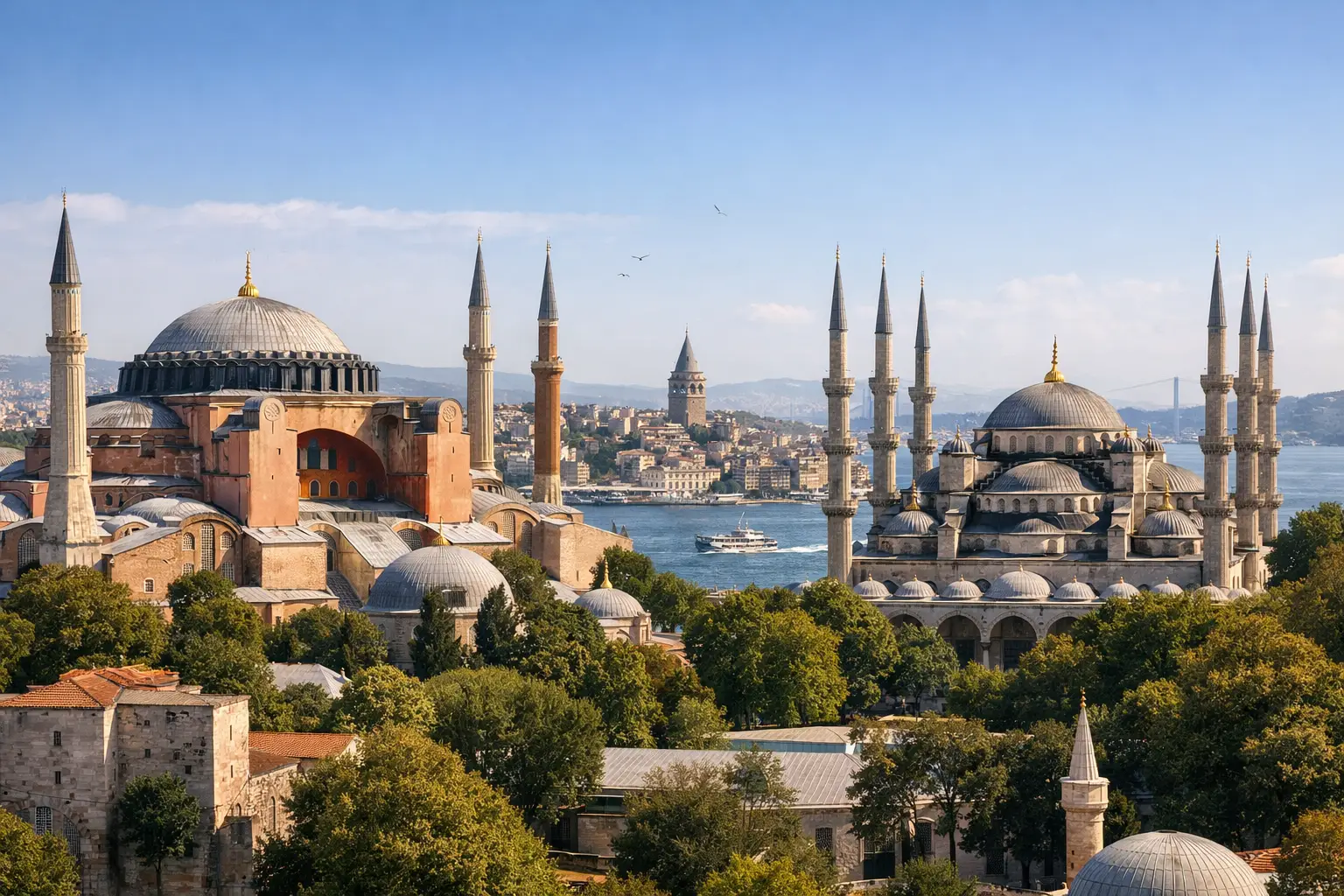
By the time you stand in Sultanahmet Square, with Hagia Sophia on one side and the Blue Mosque on the other, it becomes clear why travelers search for the best historical sites in Istanbul before they book. Istanbul is not a city of one era or one empire. Roman, Byzantine, and Ottoman legacies sit almost side by side, and that density can make trip planning feel exciting and overwhelming at the same time.
For most travelers, the best approach is not trying to see everything. It is choosing the landmarks that match your time, pace, and interests, then organizing them in a way that avoids backtracking and long waits. If you are building a first-time Istanbul itinerary, these are the sites that usually deserve priority.
Top Istanbul historical attractions for a first visit
Hagia Sophia
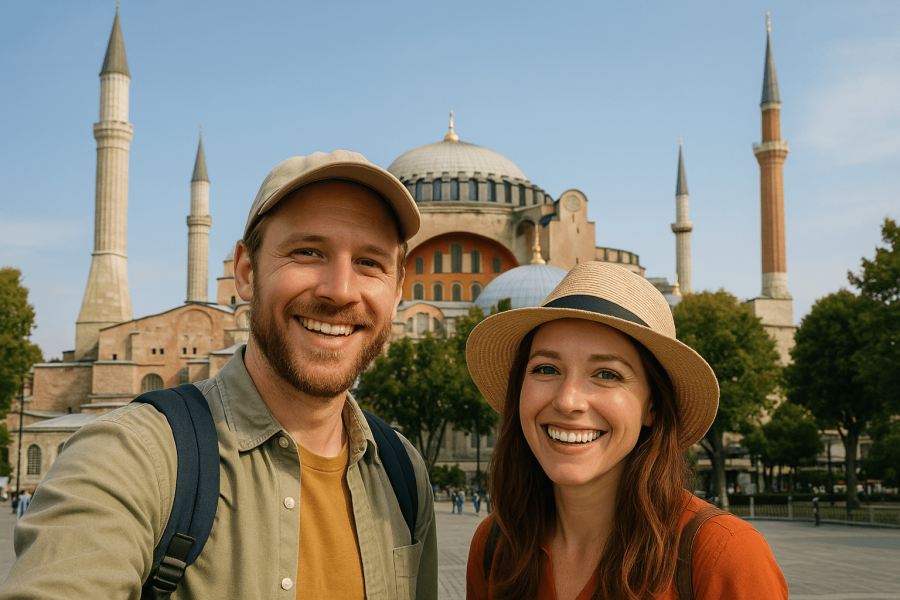
Hagia Sophia is usually the first answer to any serious Istanbul shortlist, and for good reason. Few buildings in the world have served so many roles with such visual power – cathedral, mosque, museum, and mosque again. Its scale is impressive from the outside, but the real impact comes once you step beneath the vast dome and notice how Christian mosaics and Islamic calligraphy share the same monumental space.
This is one of the clearest examples of why Istanbul cannot be understood through a single historical lens. If your interest is architecture, religion, imperial history, or simply iconic places, Hagia Sophia belongs near the top of your plan. The trade-off is that it is rarely quiet, so timing matters. Earlier visits tend to feel more manageable than midday crowds.
Topkapi Palace
If Hagia Sophia tells the story of spiritual power, Topkapi Palace tells the story of Ottoman rule in practical detail. This was not just a royal residence. It was the administrative heart of an empire, and the complex still conveys that layered function through its courtyards, chambers, treasury, and ceremonial spaces.
Many visitors underestimate how much time Topkapi requires. It is easy to think of it as a quick palace stop, but the site rewards a slower visit, especially if you want to understand court life, imperial governance, and the significance of the Harem section. Travelers who enjoy museum-style visits will likely spend half a day here. Those who prefer fast-paced sightseeing may want a guided visit to keep the experience focused.
Blue Mosque
Officially known as the Sultan Ahmed Mosque, the Blue Mosque remains one of Istanbul’s most recognized landmarks. Its six minarets and cascading domes define the skyline of the historic center, and its interior still carries the elegance that made it famous, especially the blue İznik tiles that gave the mosque its popular name.
Because it remains an active place of worship, entry conditions can shift around prayer times. That is part of the experience, but it also means expectations should be practical. Some travelers find the exterior and overall setting just as memorable as the interior visit itself. Since it sits so close to Hagia Sophia and the Hippodrome area, it is an easy and worthwhile stop on a well-planned walking route.
Basilica Cistern
The Basilica Cistern gives Istanbul a different historical texture. Instead of domes, courtyards, and skyline views, you move underground into a dimly lit Byzantine water reservoir supported by rows of columns. It feels atmospheric, but it also illustrates how sophisticated the city’s infrastructure was long before modern urban systems.
This is a strong choice for travelers who want a short but memorable visit between larger landmarks. It does not require the same time commitment as Topkapi Palace, yet it adds real depth to an Istanbul itinerary. If you are traveling with family or visiting on a tighter schedule, it often works well because it is central and relatively easy to combine with nearby sites.
Hippodrome of Constantinople
At first glance, the Hippodrome can seem less dramatic than the major buildings around it. That is exactly why some travelers skip it too quickly. Historically, this was one of the most important public spaces of Byzantine Constantinople, where chariot races, ceremonies, and political gatherings shaped city life.
Today, the surviving monuments, including the Obelisk of Theodosius and the Serpent Column, require a bit of imagination. A guide can make a major difference here by helping visitors picture the original scale and public function of the arena. If you appreciate historical context rather than just photogenic interiors, the Hippodrome is worth your attention.
More top Istanbul historical attractions are worth your time
Grand Bazaar
The Grand Bazaar is often described as a shopping destination, but that label is too narrow. It is also a historic commercial institution that reflects how Istanbul functioned as a crossroads of trade. Walking through its covered lanes gives you a sense of the city’s mercantile heritage, even if you are not planning to buy carpets, ceramics, jewelry, or textiles.
The experience depends heavily on your expectations. If you want fixed prices and a calm museum atmosphere, this may feel intense. If you enjoy seeing living history in action, it is one of the most engaging stops in the city. It works especially well when paired with the Spice Bazaar and surrounding market streets for a broader look at old Istanbul commerce.
Süleymaniye Mosque
For many travelers, Süleymaniye Mosque becomes one of the quiet highlights of the trip. It may not attract the same first-time rush as Hagia Sophia or the Blue Mosque, but it offers architectural grandeur, a commanding hilltop setting, and a more spacious atmosphere. Built by the great Ottoman architect Mimar Sinan, it represents classical Ottoman design at a very high level.
This is a strong site for travelers who want historical significance without the heaviest crowd pressure. The surrounding views over the Golden Horn add to the visit, and the complex helps explain how Ottoman mosques operated not only as religious spaces but also as social and civic centers.
Galata Tower and the Galata district
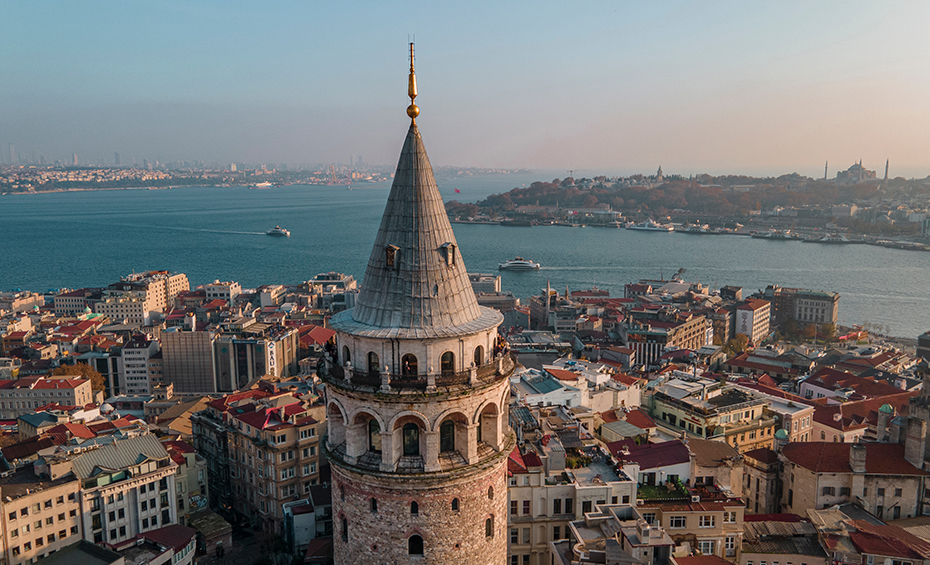
Galata Tower is best known for its panoramic views, but the district around it also reflects Genoese, Ottoman, and later cosmopolitan layers of Istanbul’s history. The tower itself has shifted in role over centuries, and while many visitors come primarily for photos, it can also serve as a useful pivot between the old imperial center and the European side of the city.
This area is particularly appealing for travelers who want history in a more lived-in urban setting rather than only monumental sites. It is a good reminder that Istanbul’s heritage is not limited to palace walls and mosque courtyards.
Dolmabahce Palace
Dolmabahce Palace shows a later chapter of Ottoman history, one shaped by European influence, ceremonial display, and changing ideas of state power. Compared with Topkapi Palace, it feels more formal, more ornate, and in some ways more familiar to travelers who have visited royal residences elsewhere in Europe.
If your time is limited and you are choosing only one palace, many first-time visitors still prioritize Topkapi for its older imperial significance. But if you have enough time for both, Dolmabahce adds important contrast. It helps explain how the empire evolved in its final centuries.
Chora Church
Chora, also known as Kariye, is one of Istanbul’s most rewarding historical sites for travelers with a strong interest in Byzantine art. Its mosaics and frescoes have long made it a standout, especially for visitors who want more than the headline landmarks.
The main consideration is logistics. It sits outside the most compact first-time sightseeing zone, so it is best included when you have additional time or a guide arranging a more efficient route. For art and religious history travelers, that extra effort is often worth it.
How to plan these sites without wasting time
The historic core around Sultanahmet is the easiest place to begin. Hagia Sophia, the Blue Mosque, the Basilica Cistern, the Hippodrome, and Topkapi Palace can all be approached in a concentrated itinerary, although trying to do them all in one rushed day usually leads to fatigue. Two well-paced days often produce a better experience than one overloaded one.
Travel style matters here. Cruise passengers, layover visitors, and short-stay travelers usually need a priority list focused on the old city. Multi-day travelers can branch out to Dolmabahce, Galata, and Chora more comfortably. Families may prefer shorter visits with fewer museum-heavy stops, while history-focused couples and private travelers often benefit most from a guided schedule that adds context and keeps the day efficient.
That is where planning support becomes especially valuable. A city like Istanbul rewards expert sequencing. The right route, timing, and pace can turn a crowded checklist into a smooth and memorable experience.
If you are deciding among the top Istanbul historical attractions, the best choice is rarely the longest list. It is the combination that fits your interests, your schedule, and the kind of trip you want to remember years from now.