

Turkey can feel like two or three different countries depending on when you go. A spring morning in Cappadocia may be crisp enough for a light jacket, while Antalya is already warm for seaside lunches. That is why the best time for turkey tour plans depends less on a single month and more on what you want to see, how fast you want to travel, and whether you prefer cooler sightseeing weather or beach-friendly days.
For most travelers coming from the US and planning a multi-stop itinerary, the sweet spot is April to June and September to October. These months usually bring comfortable temperatures, easier sightseeing at major landmarks, and strong conditions for combining Istanbul, Cappadocia, Ephesus, Pamukkale, and the Mediterranean coast in one trip. Still, every season has advantages, especially if your tour is focused on history, faith travel, shore excursions, or a shorter city break.
Best Time for Turkey Tour by Season
If your goal is a well-rounded first trip, spring is hard to beat. From April through June, Turkey is generally green, lively, and pleasant for full-day touring. Istanbul is ideal for walking districts, palace visits, Bosphorus views, and market stops without the heat of high summer. Ephesus and Pamukkale are much more comfortable in spring than in July or August, when exposed archaeological sites can feel intense by midday.
Cappadocia is also excellent in spring, although mornings can still be chilly. That trade-off is usually worth it. You get clearer touring days, photogenic landscapes, and better conditions for spending long hours outdoors in valleys, open-air museums, and panoramic viewpoints.
Fall, especially September and October, is the other standout season. The sea is still warm in coastal areas, summer crowds begin to ease, and inland sightseeing becomes pleasant again. For travelers trying to combine classical sites with a few nights on the Aegean or Mediterranean, fall offers a balanced mix of warm weather and manageable touring conditions.
Summer works best for travelers who prioritize coastal stays, yacht-style add-ons, or school-break travel. June through August is lively and energetic, and beach destinations such as Bodrum and Antalya are in full swing. The trade-off is heat, especially in places like Ephesus, southeastern Turkey, and inland historic areas where shade can be limited. A well-structured tour can still work very well in summer, but early starts and smart pacing matter more.
Winter is often overlooked, yet it can be rewarding for the right traveler. Istanbul has a different character in the colder months, with fewer crowds at major attractions and a more local feel in neighborhoods, museums, and indoor landmarks. Cappadocia in winter can be striking, especially when snow settles over the rock formations. However, shorter daylight hours and the chance of weather-related delays make winter better for flexible travelers than for those trying to fit many regions into a fast-paced schedule.
Best Time for Turkey Tour Based on What You Want to See
A classic Turkey itinerary usually includes several very different regions, so timing should match your route.
Istanbul and the major imperial sites
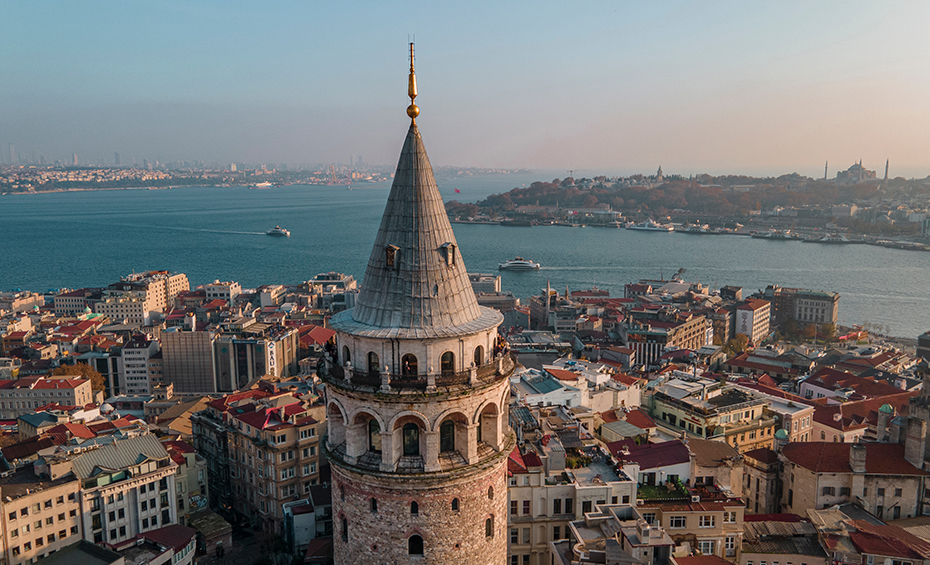
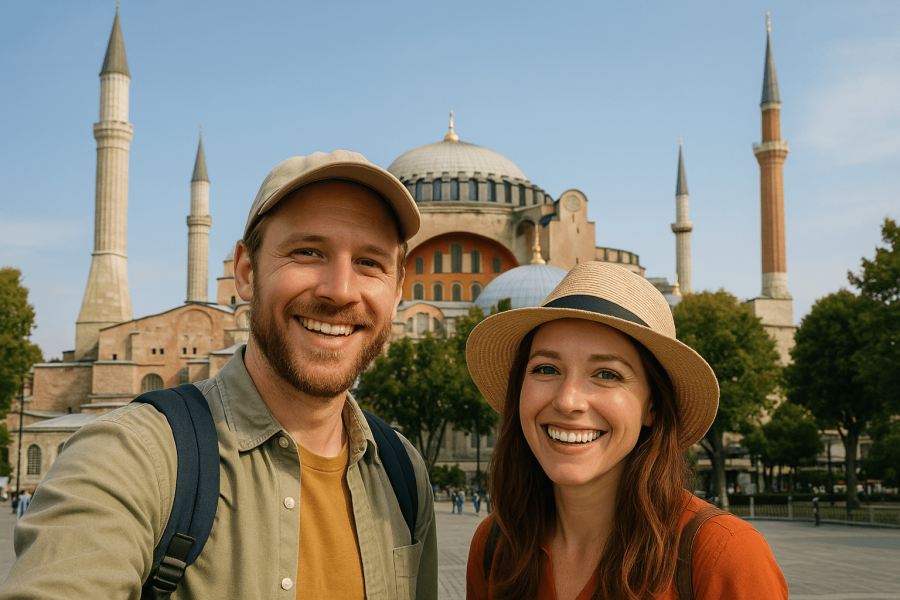
Istanbul is a year-round destination, but spring and fall are the easiest seasons for first-time visitors. Walking through Sultanahmet, visiting Hagia Sophia and Topkapi Palace, taking a Bosphorus cruise, and exploring bazaars is simply more comfortable in moderate temperatures. Summer is still popular, but the city can be humid and crowded. Winter is quieter and often better for travelers who care more about culture than outdoor café weather.
Cappadocia and central Anatolia
The best months are generally April to June and September to October. These periods are comfortable for valley walks, underground cities, cave churches, and sunrise viewpoints. Winter creates beautiful scenery and a more atmospheric feel, but weather can affect flight schedules and outdoor plans. Summer is workable, though afternoons are warmer and drier.
Ephesus, Pamukkale, and western Turkey
Spring and fall are clearly the strongest seasons here. Ephesus is one of Turkey’s great archaeological experiences, but it is mostly exposed to the sun. Visiting in April, May, September, or October usually means a more enjoyable pace. Pamukkale also feels better outside the hottest months, especially if your day includes Hierapolis and driving between destinations.
Antalya, Bodrum, and the coast
If your trip leans toward relaxation, swimming, and resort time, late May through early October is usually ideal. July and August bring peak beach energy, but also peak temperatures. September is often a very smart choice because the sea remains warm while daytime touring becomes easier. For travelers who want both ruins and coastal comfort, early summer and early fall are usually better than midsummer.
Mesopotamia and southeastern Turkey
This region deserves special timing. Places such as Gobeklitepe, Sanliurfa, Mardin, and Mount Nemrut are best visited in spring or fall, when the weather is more forgiving. Summer can be extremely hot, and winter may add logistical challenges. If your focus is history, archaeology, or religious heritage, shoulder season is the better fit.
When to Visit for Biblical and Faith-Based Travel
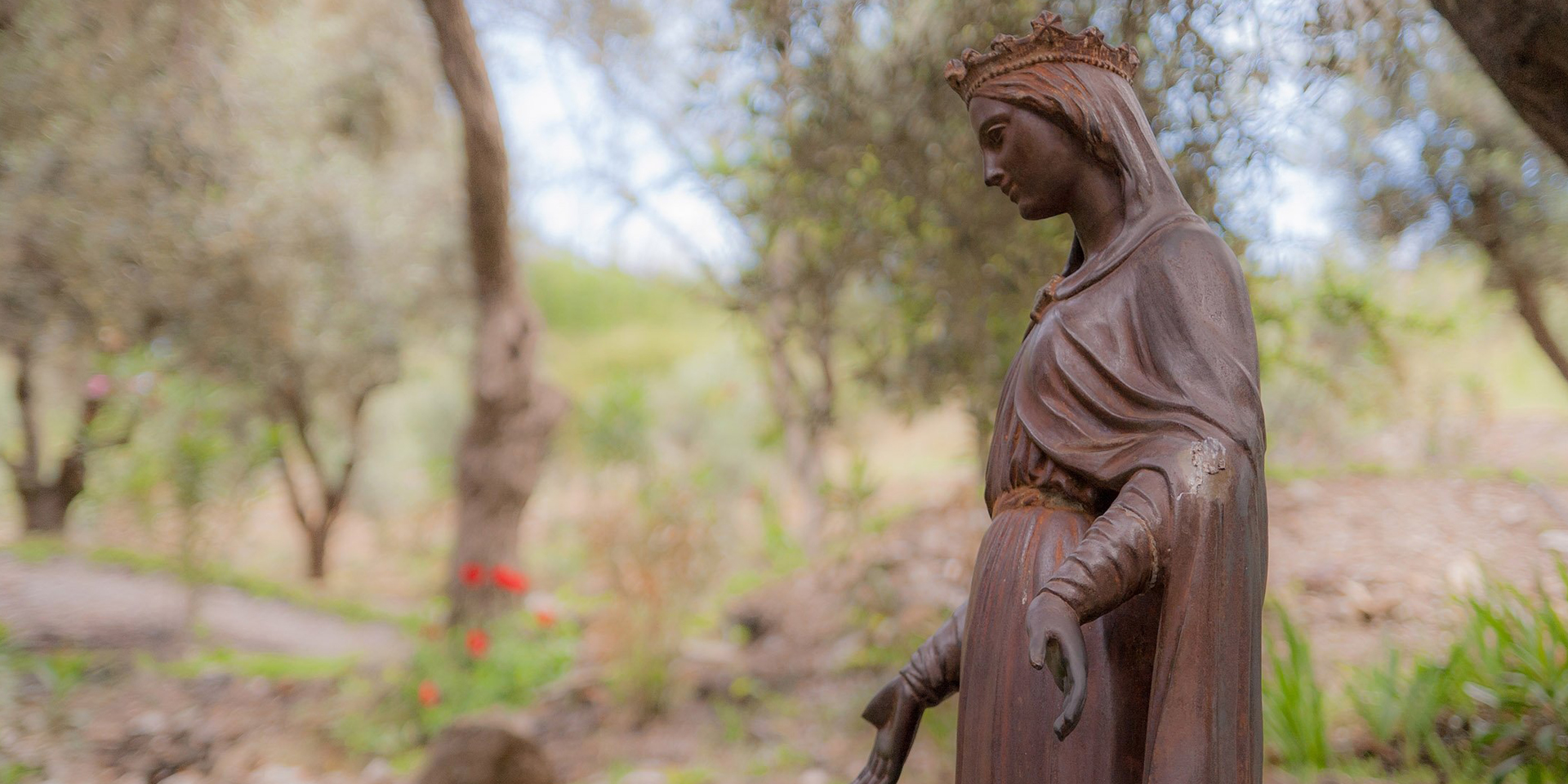
Turkey is especially meaningful for travelers following biblical history, including the Seven Churches of Revelation, St. Paul routes, and early Christian heritage sites. For these tours, weather matters because many of the most significant places involve long walks through ancient cities, hillside ruins, and open-air sacred landscapes.
The best time for these itineraries is usually April to June and September to early November. These windows offer better comfort for visiting Ephesus, Smyrna, Pergamon, Laodicea, Philadelphia, Sardis, Thyatira, and other key locations without the strain of summer heat. They also make it easier to include Istanbul, Cappadocia, or a Greece extension in the same trip.
For church groups, private faith tours, or multigenerational travelers, moderate weather has another advantage. It makes the daily pace more manageable for a wider range of ages and mobility levels.
Crowds, Prices, and Practical Trade-Offs
There is no single best month for every traveler because weather, crowd levels, and budget rarely peak at the same time.
Spring and fall usually offer the best balance, but they are also popular. That means stronger demand for hotels, domestic flights, and premium guides in top destinations. If your travel dates are fixed around Easter, summer vacation, or a cruise schedule, booking early matters.
Summer often brings higher prices in coastal destinations and heavier traffic at marquee sites. The upside is a wide choice of departures, long daylight hours, and a vibrant atmosphere. If you are traveling as a family during school break, summer may still be the most practical option, especially with a well-planned itinerary that builds in flights, transfers, and early site visits.
Winter can offer better value and fewer crowds, especially in Istanbul, but it is not the strongest season for a broad multi-region trip. It works better for a city stay, a shorter cultural program, or travelers who do not mind a little unpredictability.
How Long Your Tour Changes the Best Timing
A three-day Istanbul stop and a ten-day Turkey circuit do not follow the same logic.
For a short tour, almost any season can work if the itinerary is focused. A layover tour in Istanbul, a cruise excursion from Kusadasi to Ephesus, or a quick Cappadocia visit can be timed around convenience as much as weather.
For longer journeys covering multiple flights and regions, shoulder season becomes more valuable. A well-timed April, May, September, or October itinerary gives you the best chance of enjoying varied landscapes without dealing with extreme heat or winter disruptions. This is especially true for travelers trying to see Istanbul, Cappadocia, Ephesus, Pamukkale, and the coast in one organized trip.
That is where expert planning makes a real difference. A structured itinerary with the right sequence, domestic flights, and realistic pacing can turn a weather-sensitive trip into a smooth one. Smart Turkey Tours often sees the best results when travelers match their route to the season instead of forcing every destination into the same expectation.
So, What Is the Best Time for a Turkey Trip?
If you want the short answer, aim for April, May, June, September, or October. Those are the most reliable months for a classic Turkey experience with major landmarks, comfortable touring weather, and flexible itinerary options.
If your focus is beaches and coastal leisure, lean toward June or September. If your focus is archaeology, biblical heritage, and long sightseeing days, spring and fall are stronger. If you want fewer crowds and are happy with a more focused route, winter can still be rewarding.
The right season is the one that fits your trip style, not just the forecast. Turkey rewards thoughtful timing because its regions are so different, and that variety is exactly what makes the journey memorable. Plan around what you most want to feel when you arrive – cool air over Cappadocia at sunrise, golden light over Ephesus, or a warm evening on the Aegean coast – and the itinerary will start to make sense.