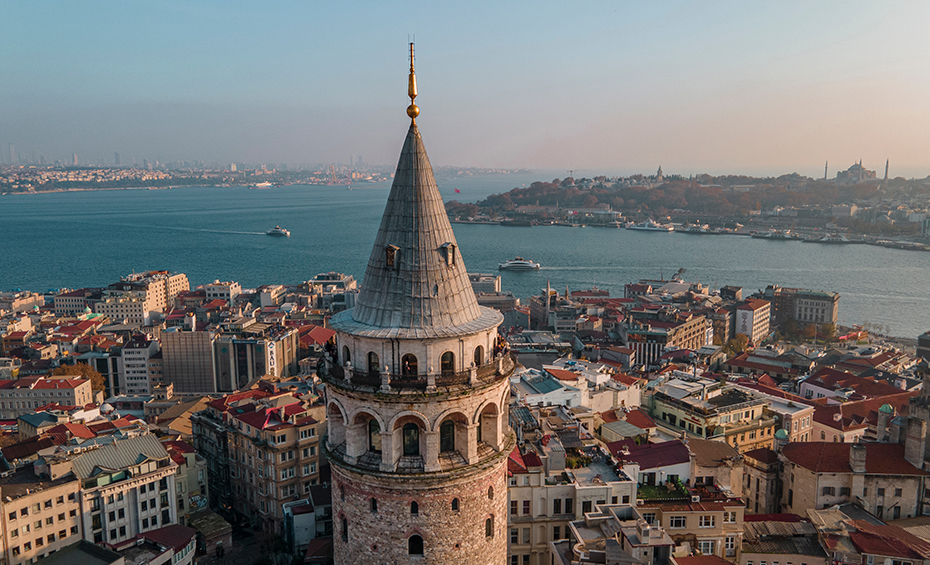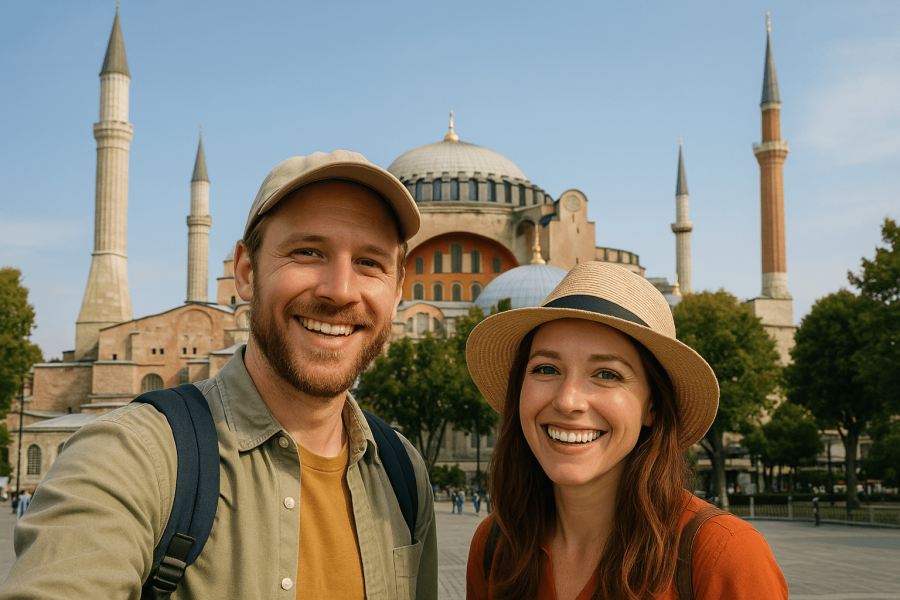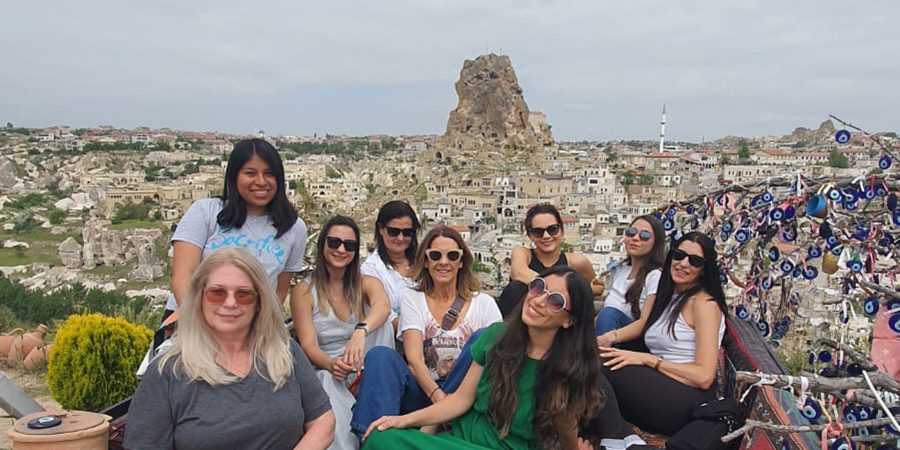

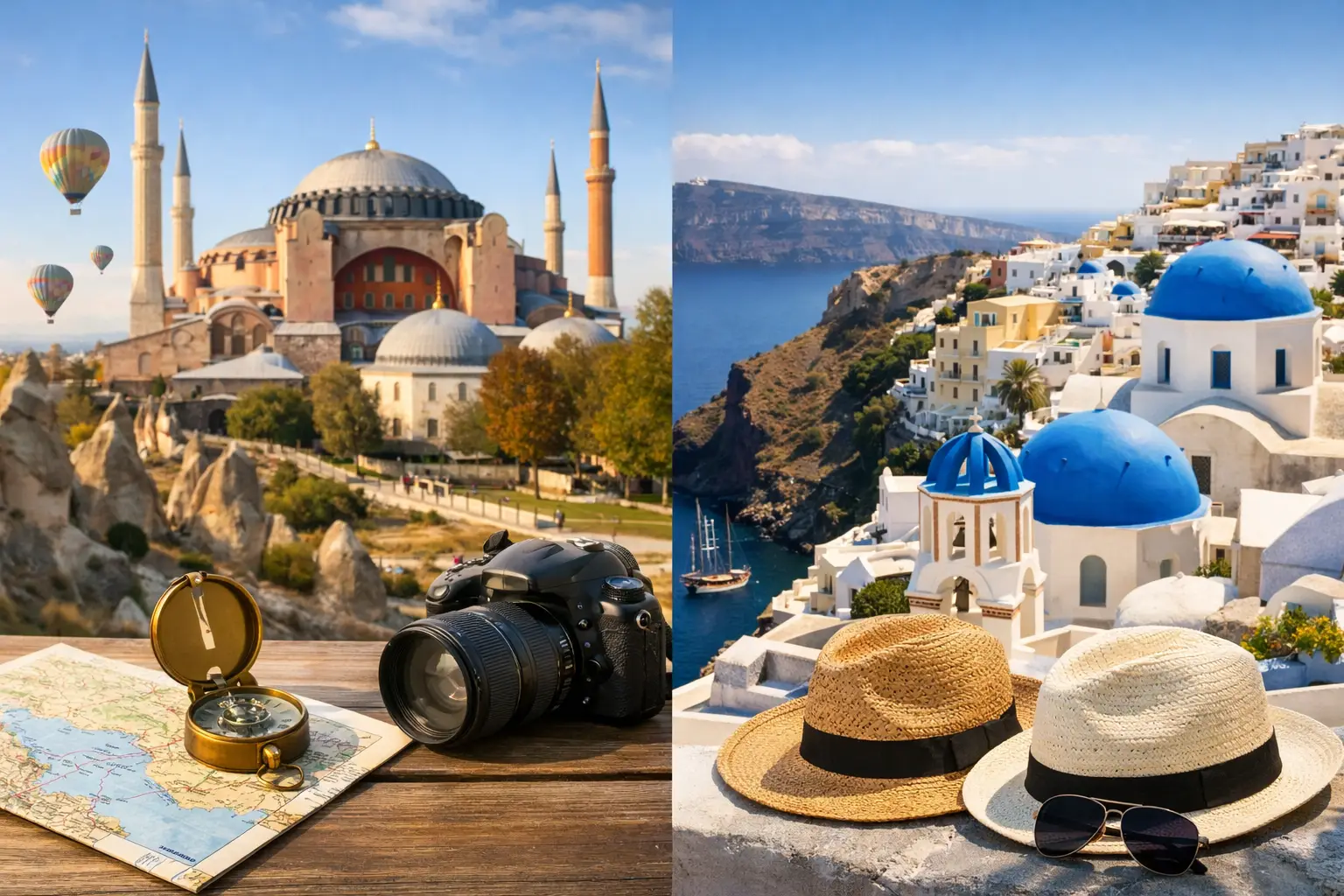
Some trips are hard because of the distance. A Turkey and Greece itinerary is hard because of the decisions. Do you focus on Istanbul and Athens, or add Cappadocia and Santorini? Do you want classical ruins, biblical heritage, island time, or a little of everything? The right package solves that problem by turning two complex countries into one well-paced journey.
For many US travelers, Turkey and Greece belong together. They share coastlines, empires, trade routes, and layers of history that stretch from the ancient world to the Ottoman era and into modern city life. But planning them together takes more than booking hotels and flights. Ferry schedules, domestic air connections, guided sightseeing, and realistic travel times all matter. That is where a professionally designed package earns its value.
What should a Turkey and Greece itinerary actually include?
A strong itinerary is not just a list of famous places. It should connect destinations in a way that feels efficient on the ground. In most cases, that means combining major gateway cities with a few high-impact stops rather than trying to cover every region in one trip.
A well-built package usually starts with airport transfers, centrally located hotels, guided touring, and transportation between major destinations. In Turkey, domestic flights often make the biggest difference. They save long overland travel days and make it possible to combine Istanbul with Cappadocia, Ephesus, Pamukkale, or Antalya without exhausting the trip. In Greece, the package may use ferries or flights depending on the islands and season.
The best itineraries also leave room for choice. Some travelers want museum depth and archaeological sites. Others want scenic villages, food, and relaxed evenings by the sea. A package should give structure without making every hour feel fixed.
Why combine Turkey and Greece in one trip?
Turkey brings scale and variety. Greece brings an easy coastal rhythm and island appeal. Together, they create a more complete Eastern Mediterranean experience than either destination can offer alone.
If your interests lean historical, the pairing is especially strong. You can move from Hagia Sophia and Topkapi Palace in Istanbul to the Acropolis in Athens, then continue to Ephesus, Delphi, or the islands where mythology and daily life still sit side by side. If you are traveling for faith-based reasons, the combination is just as compelling. Western Turkey offers major biblical sites, while Greece adds key locations connected to St. Paul and early Christianity.
There is also a practical benefit. Many travelers from the US are already committing to a long-haul international trip. Combining both countries into one organized itinerary often makes better use of flight time and vacation days than returning for two separate trips later.
The most popular route options
Istanbul, Cappadocia, Ephesus, Athens
This is one of the most balanced combinations for first-time visitors. Istanbul delivers imperial landmarks, vibrant neighborhoods, and the Bosphorus. Cappadocia adds dramatic landscapes, cave hotels, and optional hot air balloon experiences. Ephesus gives you one of the most important ancient cities in the region. Athens closes the trip with world-famous classical heritage.
This route works well for travelers who want big highlights without too many hotel changes. It is also a strong fit for couples and families who want a mix of city, history, and scenery.
Turkey highlights with Athens and Greek islands
If you want more leisure built into the trip, adding Santorini or Mykonos can change the pace in a good way. After active touring in Turkey, a few nights on a Greek island create breathing room. That said, island extensions work best when the overall trip is long enough. If you only have nine or ten days total, forcing in multiple islands can make the itinerary feel rushed.
Biblical Turkey and Greece itineraries
For faith-based travelers, a specialized route may include Istanbul, the Seven Churches region, Ephesus, Laodicea, Hierapolis, Athens, Corinth, and Thessaloniki or Kavala. These packages benefit the most from expert planning because context matters as much as transportation. A knowledgeable guide can turn ruins into a meaningful journey rather than a checklist of sites.
How many days do you really need?
This is where expectations matter. A turkey and greece tour package can be built in as little as seven or eight days, but that version is usually limited to major gateways like Istanbul and Athens, with one extra stop. It works for travelers with tight schedules, but there is less flexibility if flights shift or if you want free time.
Ten to twelve days is the sweet spot for most travelers. It gives enough time to include Istanbul, one or two additional Turkish destinations, Athens, and possibly one island or another Greek mainland stop. You see real variety without spending the entire vacation in transit.
If you have two weeks or more, the trip opens up. That is when private travelers often add Cappadocia, Ephesus, Pamukkale, Santorini, Mykonos, or a biblical route with more depth. Longer packages also make room for slower mornings, optional activities, and better pacing overall.
What makes one package better than another?
Price matters, but value matters more. A lower starting rate can look attractive until you realize it excludes domestic flights, entrance fees, ferry tickets, or airport transfers. The more countries and moving parts involved, the more important it is to compare what is truly included.
Look closely at hotel location and tour structure. A centrally located hotel in Istanbul or Athens can improve the trip far more than an upgraded room in a less convenient area. The same goes for guided touring. Small group and private services often create a smoother experience, especially when your itinerary includes historical sites that benefit from clear explanation.
It also helps to work with an operator that understands Turkey deeply, not just as one stop in a broader Europe package. Turkey is large, and getting the sequence right is key. Smart Turkey Tours, for example, focuses on combining marquee Turkish destinations with manageable logistics, which becomes especially valuable when Greece is added to the plan.
Timing matters more than most travelers expect
Spring and fall are generally the strongest seasons for a combined itinerary. April through June and September through October offer comfortable weather, better sightseeing conditions, and a strong balance between city touring and island travel.
Summer can still be excellent, especially if Greek islands are part of the appeal, but there are trade-offs. Athens and inland Turkish sites can be very hot, and popular locations are busier. Winter works best for travelers focused on Istanbul, Athens, and selected mainland cultural sites. It is less ideal for island-heavy itineraries, since ferry schedules and seasonal services may be limited.
The right month depends on what matters most to you. If balloons over Cappadocia and sunset views in Santorini are priorities, shoulder season often gives the best mix of atmosphere and practicality.
Private or small group?
There is no single right answer. It depends on your travel style, budget, and how personalized you want the trip to feel.
Small group tours are a strong choice for travelers who want a structured experience at a more approachable price point. They work especially well for first-time visitors who enjoy social travel and want key logistics handled from start to finish.
Private tours cost more, but the advantages are real. You can move at your own pace, adjust sightseeing around family needs or personal interests, and spend more time where it counts. For multigenerational families, couples celebrating a special trip, and faith-based travelers with specific priorities, private packages are often worth the extra investment.
Common planning mistakes to avoid
The biggest mistake is trying to do too much. Istanbul, Cappadocia, Ephesus, Pamukkale, Athens, Mykonos, and Santorini may look great on paper, but not every trip should include all of them. Travel days add up quickly.
Another mistake is underestimating transfer complexity. Crossing between Turkey and Greece is not always as simple as booking a ferry. Depending on your route, flights may be faster and more reliable. This is why route planning should come before hotel selection and not the other way around.
Finally, do not choose based on headline price alone. A package that includes domestic flights, airport meet-and-greet service, guided touring, and carefully matched timing often saves money indirectly by reducing missed connections, taxi costs, and last-minute changes.
Who this kind of trip is best for
A combined package works best for travelers who want to see more than one side of the region without taking on the planning burden themselves. That includes couples looking for a landmark-rich vacation, families wanting a clear and comfortable travel structure, and cultural travelers who care about history, archaeology, and local texture.
It is also a smart fit for cruise passengers extending their vacation on land, and for travelers who have dreamed of both countries but do not want to coordinate every flight, ferry, guide, and hotel independently.
The best turkey and greece tour package is the one that matches your pace, interests, and time available – not the one with the longest destination list. Start with what you most want to feel on the trip, whether that is wonder, reflection, relaxation, or discovery, and build from there. Everything else gets easier once the route fits the traveler.