

Seven days in Turkey sounds generous until you start mapping the country. Istanbul alone can fill a week, Cappadocia deserves at least two mornings, and the Aegean coast is packed with major ancient sites. That is why a well-built 7 day turkey itinerary package matters. The right plan helps you see Turkey’s headline destinations without spending half your trip in airports, bus stations, or hotel lobbies.
For most US travelers, the strongest seven-day route balances three things: iconic landmarks, manageable travel time, and enough structure to keep the trip enjoyable. In practice, that usually means combining Istanbul with Cappadocia and the Aegean region, often including Ephesus and Pamukkale. It is a fast-paced trip, but when domestic flights, guided touring, and hotel logistics are arranged properly, it feels efficient rather than rushed.
What makes a strong 7 day turkey itinerary package
A good package is not just a list of cities. It is a sequence. Turkey is large, and distances between major regions can eat into sightseeing time if the route is not planned carefully. The best packages use domestic flights where they make the biggest difference, especially between Istanbul, Cappadocia, and Izmir or Denizli.
You also want the right mix of guided visits and free time. Too much structure can make the trip feel like a checklist. Too little structure leaves travelers trying to sort out museum timing, transfers, and local transportation on the go. For a one-week trip, that balance matters more than usual because there is very little room for wasted time.
Hotels, airport transfers, entrance planning, and realistic daily pacing are just as important as the destinations themselves. A package that includes the right logistics often delivers a better experience than a cheaper plan that looks similar on paper.
A practical 7 day turkey itinerary package route
For travelers who want Turkey’s most recognizable highlights in one week, this is the route that works best.
Days 1-2: Istanbul
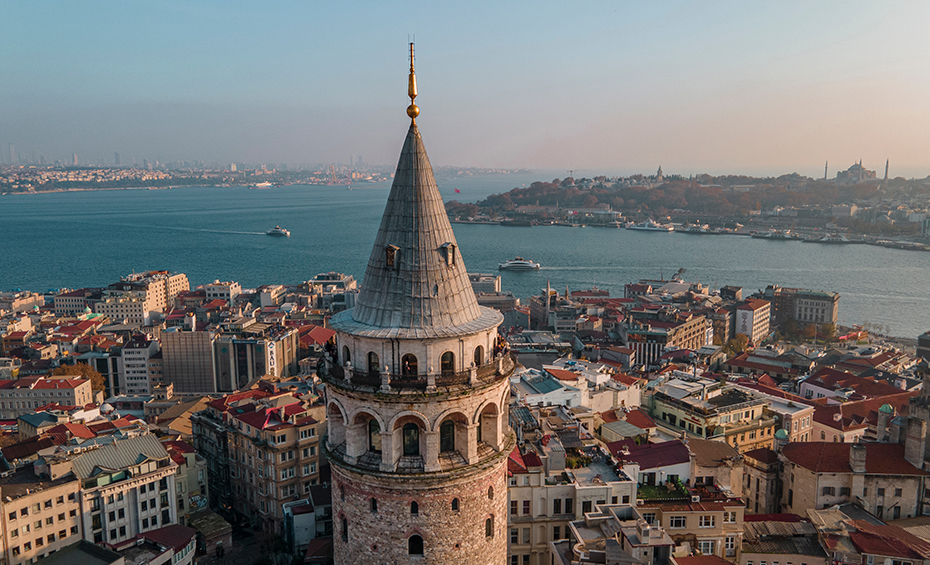
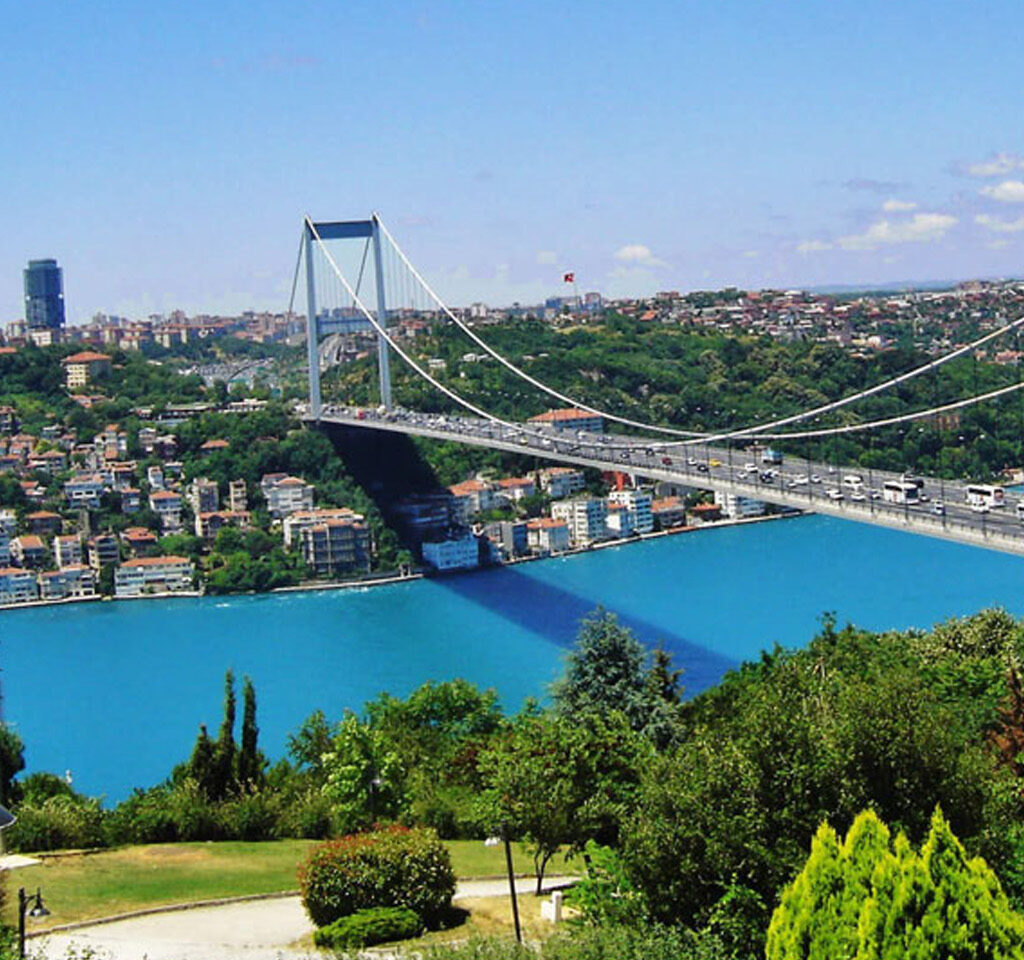
Most international arrivals begin in Istanbul, and that is the right place to start. The city gives first-time visitors a powerful introduction to Turkey through imperial history, Ottoman architecture, Byzantine landmarks, and lively neighborhoods that still feel deeply local.
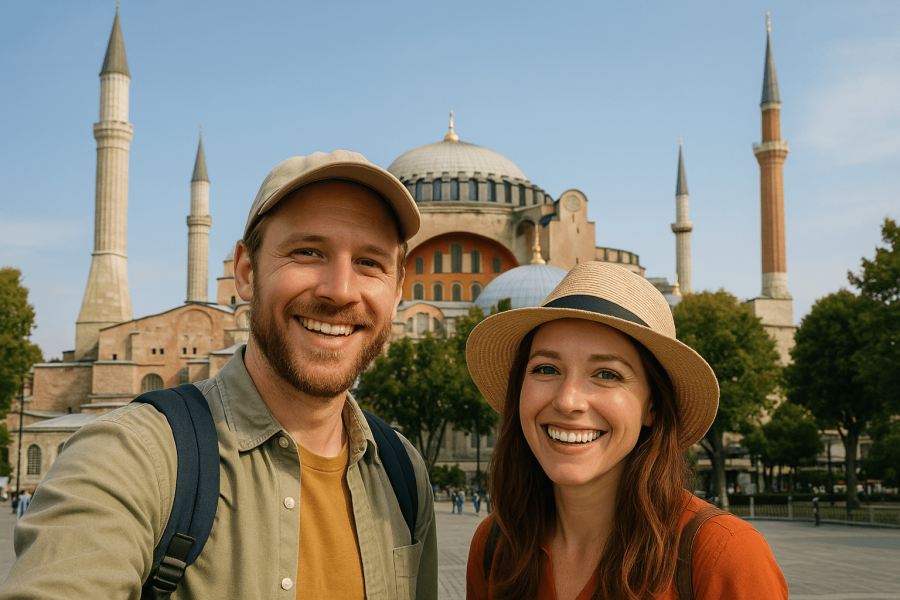
Over two days, the usual core includes Hagia Sophia, the Blue Mosque, Topkapi Palace, the Hippodrome, and the Grand Bazaar. Depending on pacing, a Bosphorus cruise or Spice Bazaar visit can fit naturally as well. A guided day is especially valuable here because Istanbul’s historic layers are what make the city memorable. You can see the buildings on your own, but context changes the experience.
Two days is not enough to cover every corner of Istanbul, and that is the trade-off. But it is enough to experience the city’s essential highlights without shortchanging the rest of the country.
Days 3-4: Cappadocia
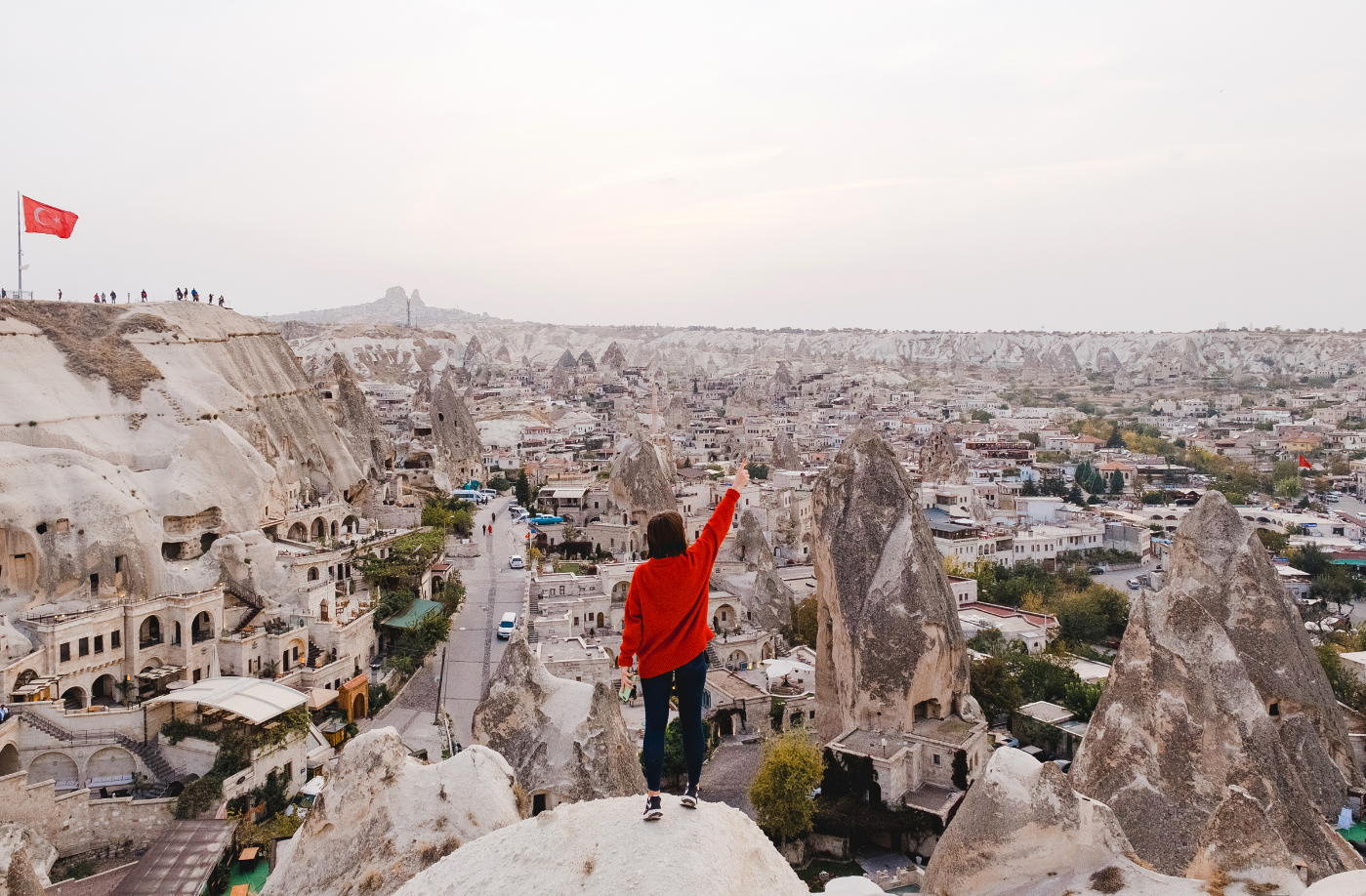
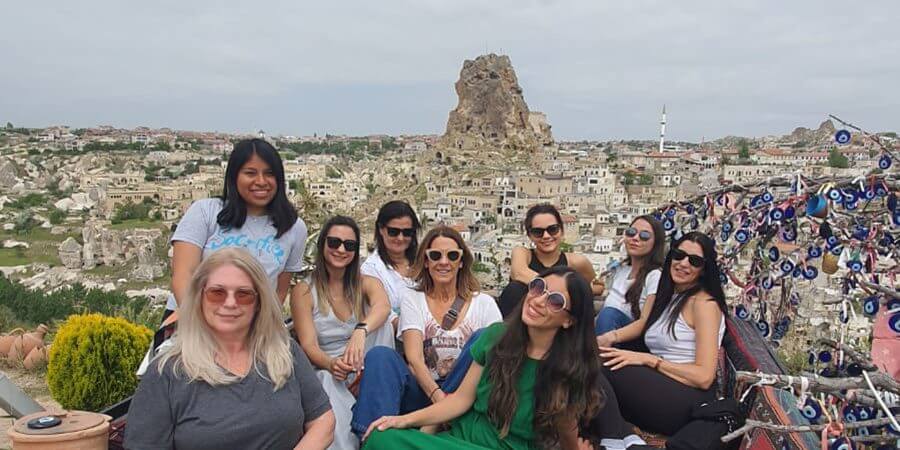
After Istanbul, Cappadocia adds a completely different side of Turkey. The landscape feels almost otherworldly, but what makes the region special is not just the scenery. It is the combination of rock-cut churches, underground cities, cave dwellings, and panoramic valleys shaped by both geology and centuries of settlement.
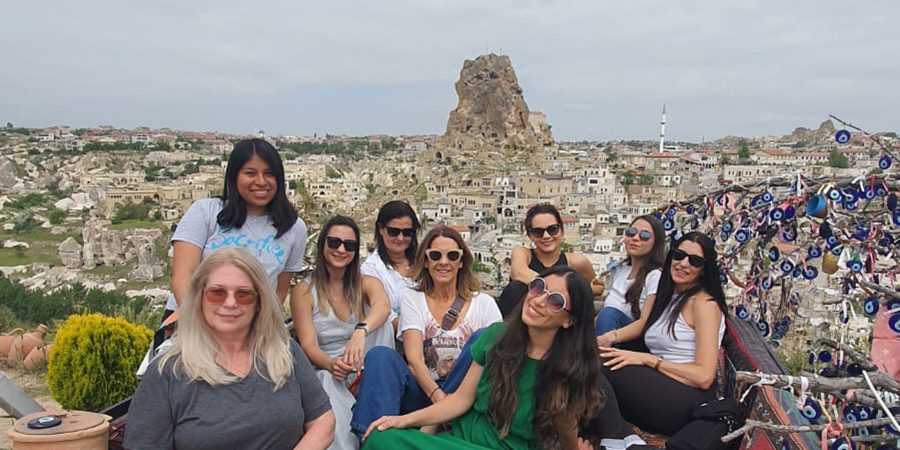
A typical two-day stay includes Goreme Open-Air Museum, Uchisar Castle, Pasabag, Devrent Valley, and either an underground city or a pottery and handicraft stop in Avanos. Many travelers also want the early morning hot air balloon experience. While balloon flights depend on weather and should never be treated as guaranteed, scheduling two mornings in Cappadocia gives you a better chance if that is a priority.
This is one of the clearest reasons to choose a package over independent planning. Coordinating a domestic flight, airport transfers, a regional tour schedule, and balloon timing on your own can be done, but it takes effort. With a managed itinerary, the region becomes easy to enjoy.
Days 5-6: Ephesus and Pamukkale
The final regional segment often shifts to western Turkey. This is where a 7 day turkey itinerary package starts to feel especially rewarding because you move from imperial cities and volcanic landscapes into classical antiquity and natural thermal terraces.
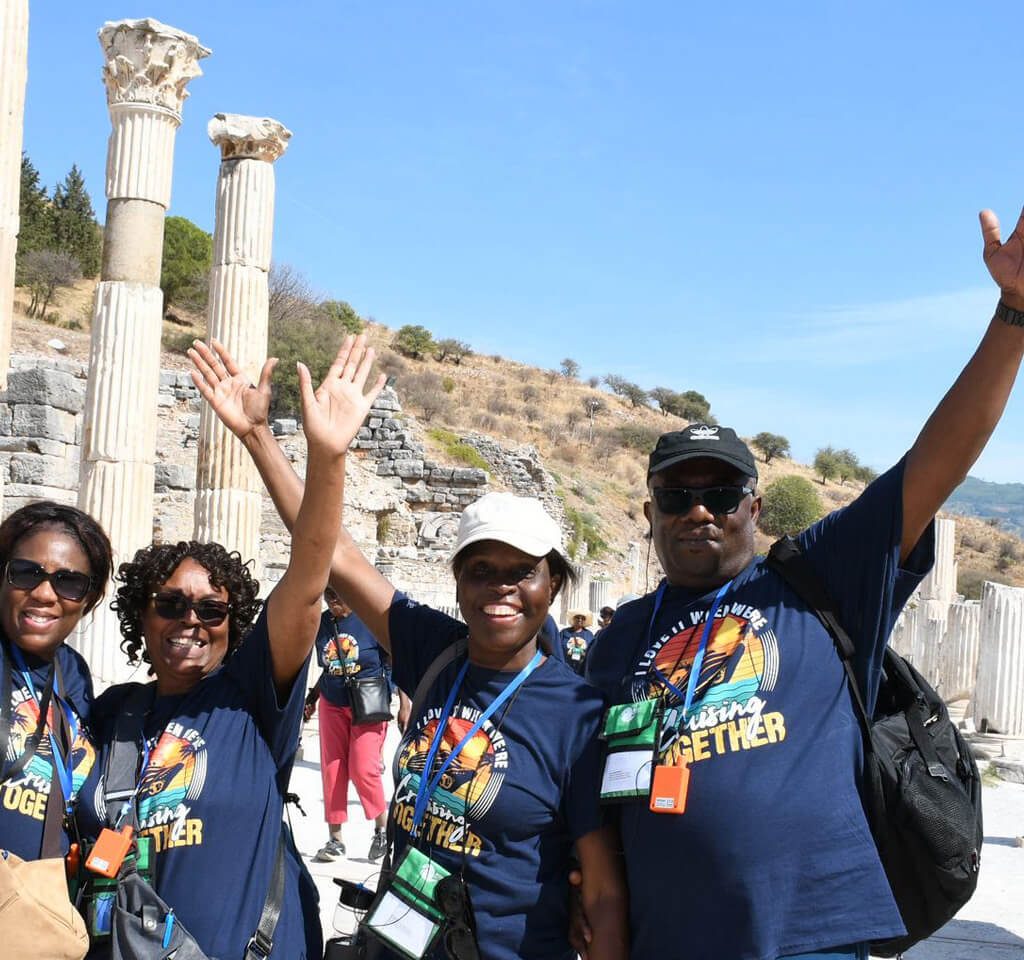
Ephesus is one of the country’s most important archaeological sites and a major highlight for cultural travelers, families, and faith-based visitors alike. The Library of Celsus, the Great Theatre, Curetes Street, and the Temple of Artemis area give you a strong sense of the city’s former scale and significance. Many packages also include the House of the Virgin Mary, which adds another layer for travelers interested in religious heritage.
Pamukkale offers a sharp change of setting. The white travertine terraces are visually striking, but the site is more than a photo stop. The ancient city of Hierapolis, the theater, and the necropolis give the area historical depth. Pairing Ephesus with Pamukkale works well because it combines one of Turkey’s top archaeological destinations with one of its most distinctive natural landmarks.
This part of the itinerary can feel busy, so transportation design matters. Some packages overnight near Kusadasi or Selcuk and then continue toward Pamukkale. Others use flights and transfers to reduce long overland travel. The better option depends on your pace preference and budget.
Day 7: Return to Istanbul or departure transfer
The last day usually involves a domestic flight back to Istanbul for onward international departure, or in some cases a direct transfer depending on your flight schedule. A well-planned final day avoids unnecessary stress by leaving enough connection time, especially for travelers returning to the US.
Who this itinerary works best for
This itinerary is ideal for first-time visitors who want a broad introduction to Turkey without committing to a longer trip. It works especially well for couples, families with older children, private parties, and culturally focused travelers who want major landmarks handled in a clear sequence.
It is also a smart choice for travelers who value guidance and efficiency over spontaneous wandering. Turkey is very rewarding for independent travel, but a seven-day window is tight. If your main goal is to see the country’s top destinations with confidence, a package usually delivers more value than building the trip from scratch.
That said, this route is not perfect for everyone. Travelers who prefer slower mornings, extended museum visits, or several nights in one hotel may find it too active. In those cases, trimming one destination and going deeper in two regions can be the better choice.
What should be included in a 7 day turkey itinerary package
Not all packages offer the same level of value, even when they visit the same cities. The strongest options usually include domestic flights, airport transfers, hotel stays, guided sightseeing, and a clear outline of entrances and daily transportation. Those pieces are what protect your time.
Hotel category also matters. A centrally located property in Istanbul or a well-selected cave-style hotel in Cappadocia can improve the trip in a real way, not just on paper. The same goes for tour style. Private touring gives flexibility and comfort, while small group arrangements can be more cost-effective without feeling impersonal.
Travelers should also look closely at pacing. If a package promises too many stops with long drives between them, the week can become tiring. A credible operator builds around realistic connections and knows where flights save the most time. This is where an experienced specialist such as Smart Turkey Tours can make the planning process much easier, especially when travelers want a pre-structured route with room for customization.
Choosing between private and small group travel
For a one-week trip, private travel often has a stronger upside than people expect. You move at your own pace, airport and hotel transitions tend to feel smoother, and the day can be adjusted around your interests. If Ephesus is a major priority or you want more time at Topkapi Palace, private touring gives you that flexibility.
Small group packages can still be an excellent fit, especially for travelers who want to keep costs under control while avoiding the burden of planning. The best small group trips maintain an organized pace and include clear support on the ground. The question is less about which style is better overall and more about what kind of week you want to have.
Is seven days enough for Turkey?
Yes, if your expectations are realistic. No seven-day trip can cover all of Turkey. You will not see the Mediterranean coast, the Black Sea region, Mesopotamia, Gallipoli, Troy, and the major western sites in one week without turning the trip into a blur.
But seven days is enough for a meaningful first experience. You can stand inside Istanbul’s great monuments, watch sunrise over Cappadocia’s valleys, walk through Ephesus, and see Pamukkale’s terraces in the same trip. That is a substantial introduction to the country, and for many travelers it becomes the reason they come back for a longer return visit.
When a 7 day turkey itinerary package is built with the right sequence, good domestic connections, and knowledgeable local guidance, it does exactly what travelers need it to do: it turns a complicated multi-stop trip into a manageable, memorable journey. If you want to make one week count, start with the route that respects both the scale of Turkey and the reality of your travel time.