
Global headlines in 2026 have focused heavily on rising tensions between Iran and Israel. Military movements, diplomatic statements, and regional security updates have created understandable concern among international travelers.
Many American visitors are asking a direct question:
Is Turkey affected by this conflict?
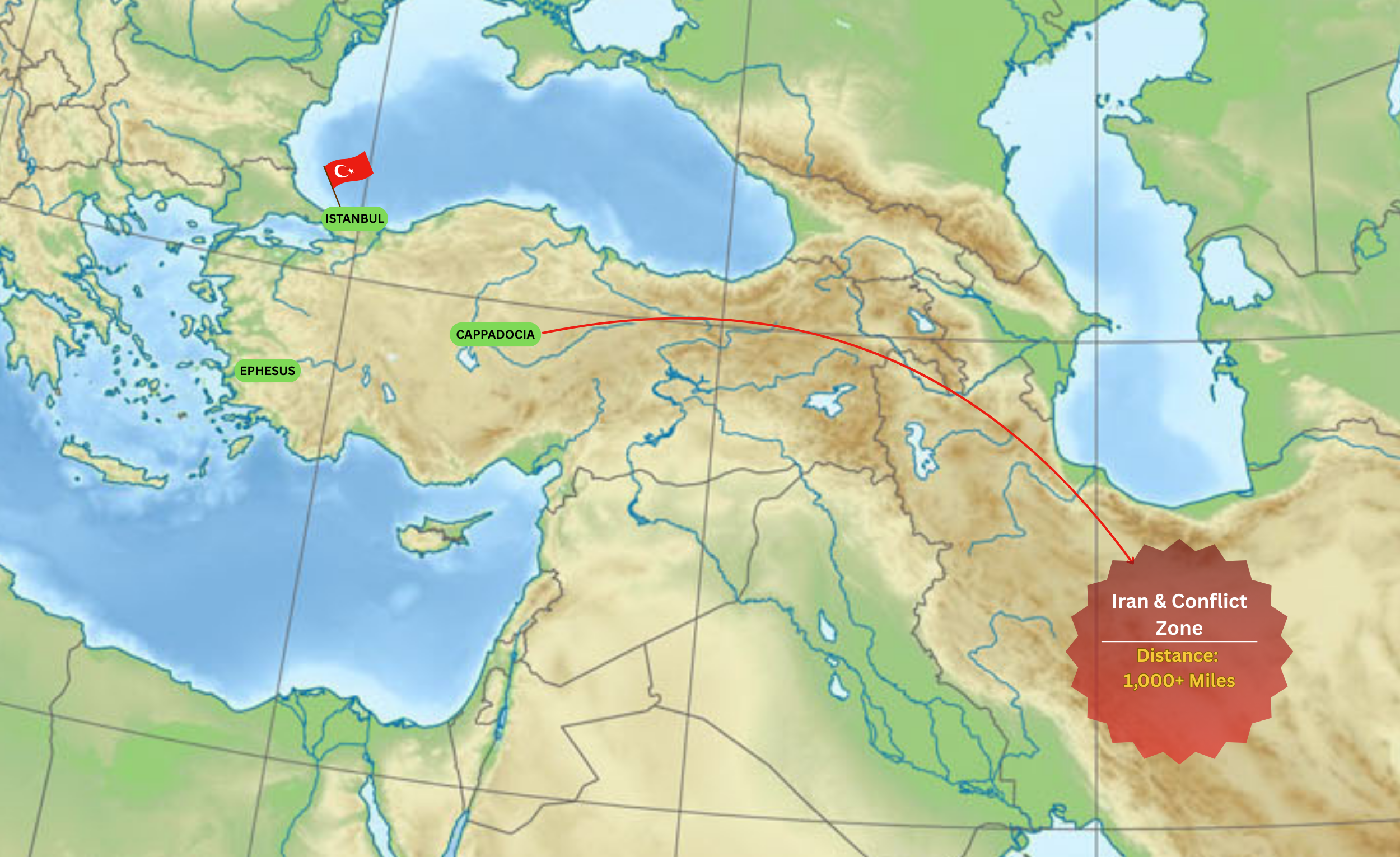
The answer becomes clear when you look at a map.
Geography Tells the Real Story
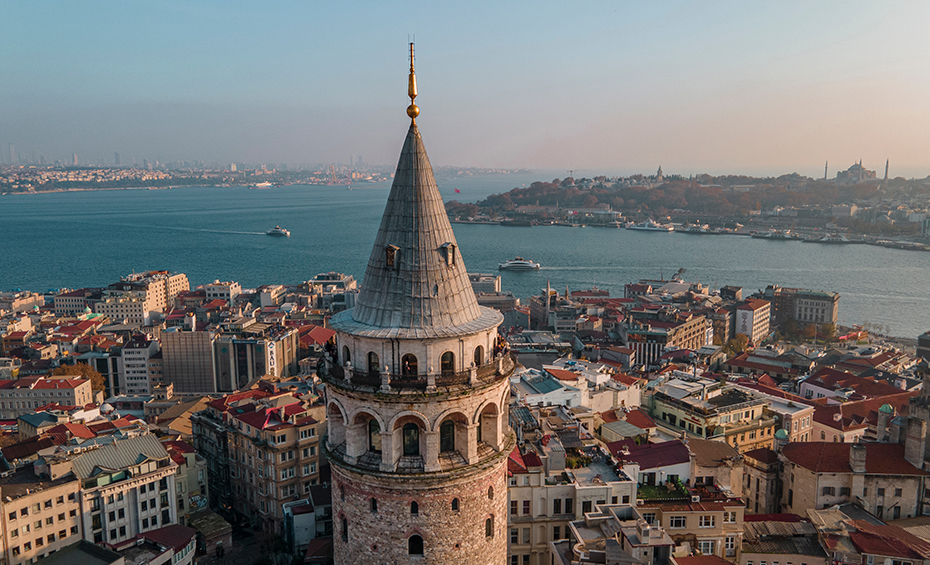
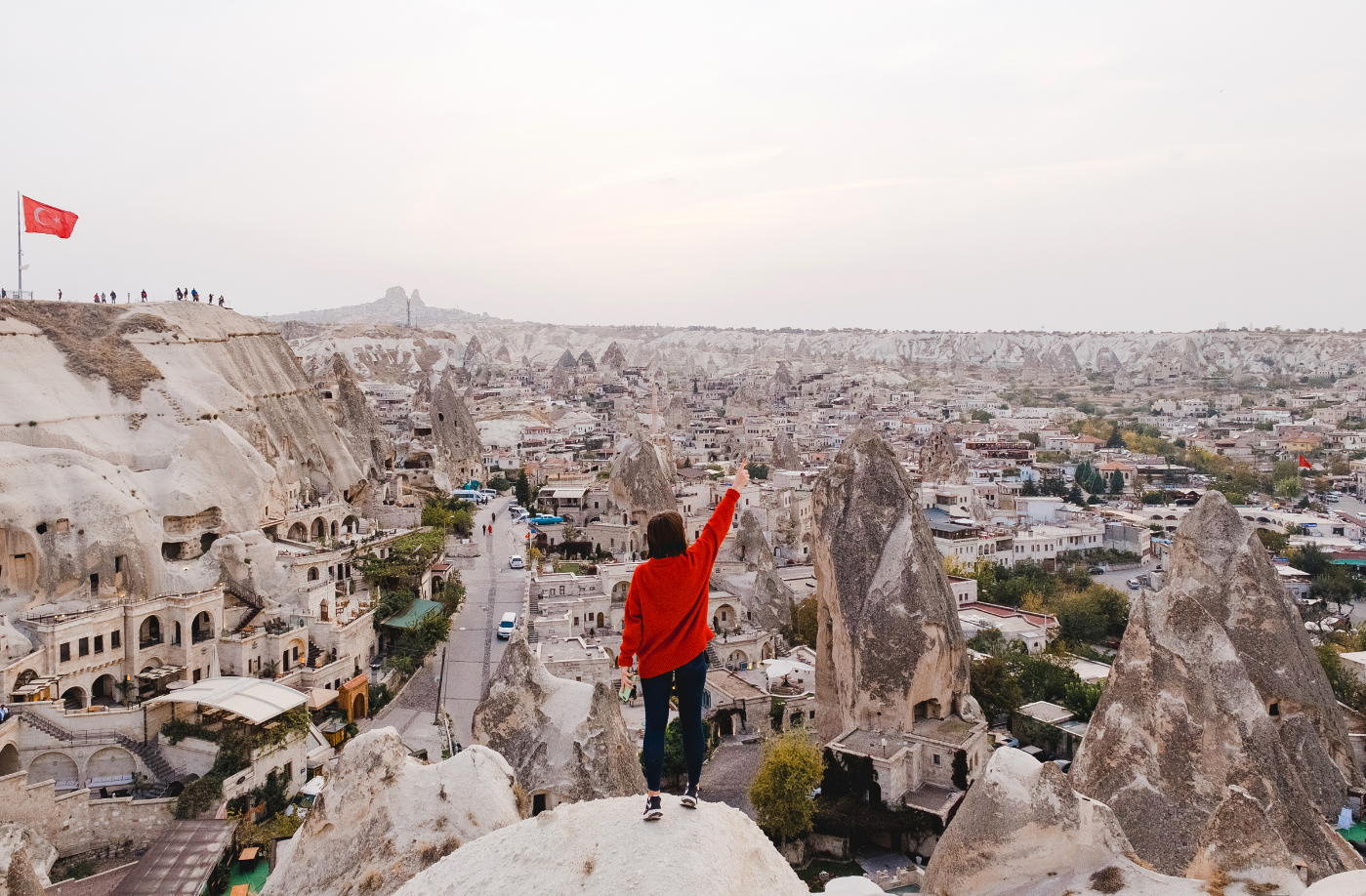
Turkey’s most visited destinations — Istanbul, Cappadocia, Ephesus, Pamukkale, Antalya and the Aegean Coast — are located in western and central Turkey.
They are geographically far from Iran and far from any active conflict areas.
When measured on a map:
- Istanbul is located in the northwest of Turkey, bordering Europe.
- Ephesus and Pamukkale are located in the Aegean region.
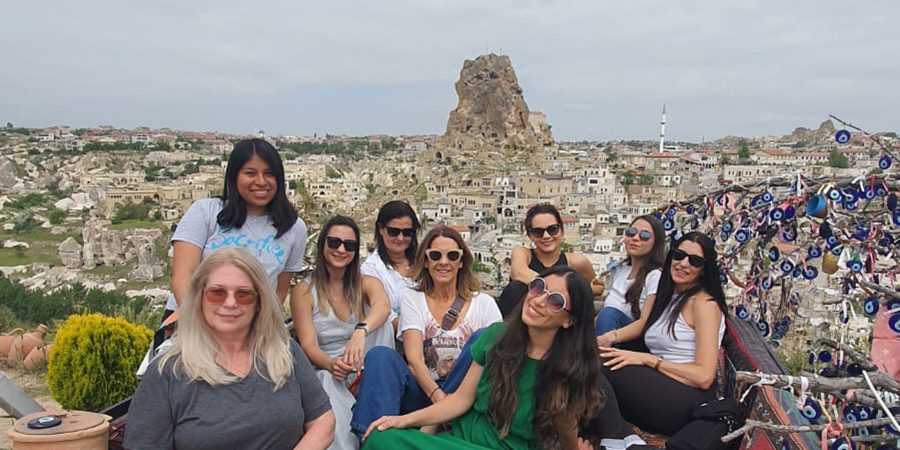
- Cappadocia lies deep inland in central Anatolia.
- The Iranian border is on Turkey’s far eastern edge.
The distance between Istanbul and the Iranian border is approximately 1,200+ miles (2,000+ kilometers).
That is comparable to:
- The distance between New York and Miami
- Or Chicago and Phoenix
In other words, visiting Istanbul or Cappadocia is not remotely the same as traveling near a conflict zone.
Turkey is geographically large. Headlines often compress geography — maps restore perspective.
Is the Conflict Affecting Daily Life in Turkey?
No.
Tourism infrastructure across Turkey continues to operate normally:
- International flights to Istanbul continue
- Domestic flights connect seamlessly to Cappadocia and the Aegean
- Hotels, museums, restaurants and guided tours operate as scheduled
- Cruise ships continue port calls in Kusadasi and Istanbul
There are no disruptions in western and central Turkey related to the Iran–Israel tensions.
Border advisories issued by governments consistently refer to areas near Syria and Iraq — not to Turkey’s primary tourism regions.
Why Media Coverage Creates Confusion
International media often refers broadly to “Middle East tensions.”
However, Turkey’s main tourism circuit lies geographically closer to:
- Greece
- Bulgaria
- Italy (across the Mediterranean)
- The Balkans
Istanbul itself sits partly in Europe.
The western half of Turkey — where the majority of tourism activity takes place — functions independently from border regions mentioned in advisories.
What American Travelers Should Know
If you are planning to visit:
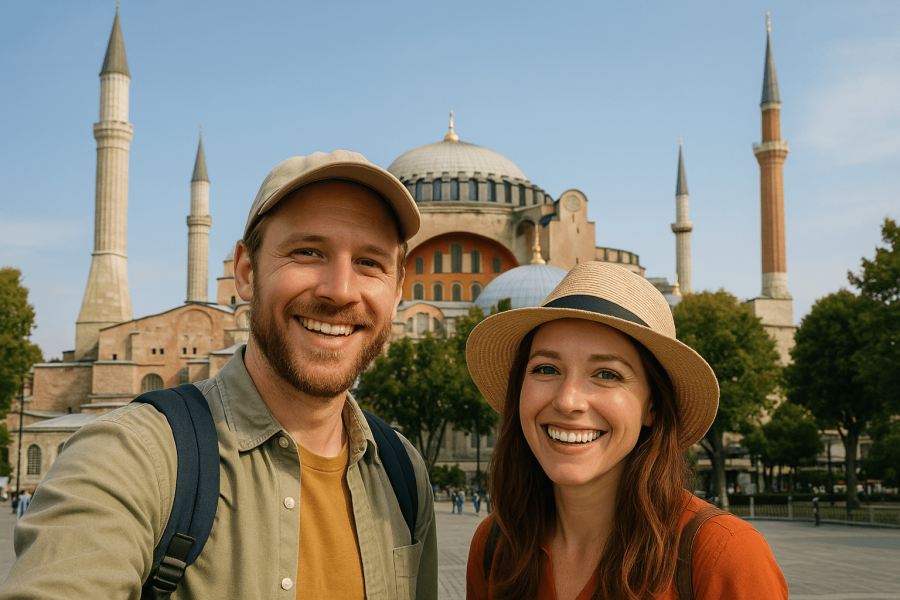
- Istanbul’s historic districts
- Cappadocia’s balloon valleys
- Ephesus’ ancient Roman ruins
- Pamukkale’s white terraces
- The Mediterranean coast
You are traveling to regions that are geographically distant from the Iran–Israel conflict.
Turkey is not a battlefield.
Turkey is not under attack.
Turkey’s tourism hubs remain stable and active.
As with any international travel, normal precautions apply. But there is no extraordinary risk impacting mainstream travel routes.
The Bottom Line: Distance Matters
Geography determines impact.
Turkey’s iconic destinations are far from the Iran–Israel conflict zone. Daily life in these regions continues as usual. Airports remain operational. Tourism services remain uninterrupted.
Understanding distance replaces uncertainty with clarity.
Before making decisions based on headlines, look at the map.
Turkey’s main travel regions remain open, welcoming, and far removed from current regional tensions.
If you’re planning to explore the cultural heart of Turkey, you can discover our curated private Istanbul tours with licensed guides designed for smooth and secure travel experiences.
For travelers seeking a seamless experience in central Turkey, our Cappadocia private day tours from Istanbul include flights, transfers and expert guidance.
Official Sources & References
For travelers seeking verified and up-to-date information, we recommend reviewing official government and aviation sources before departure:
- U.S. Department of State – Turkey Travel Advisory
https://travel.state.gov
(Region-specific security guidance and advisory levels) - UK Foreign Travel Advice – Turkey
https://www.gov.uk/foreign-travel-advice/turkey
(Detailed regional maps and travel updates) - Republic of Türkiye Ministry of Foreign Affairs
https://www.mfa.gov.tr
(Official statements and diplomatic updates) - Eurocontrol & FAA Aviation Updates
https://www.eurocontrol.int
https://www.faa.gov
(Airspace and flight operation notices)
Travel conditions can evolve. Always consult official sources close to your departure date and review region-specific guidance rather than generalized headlines.